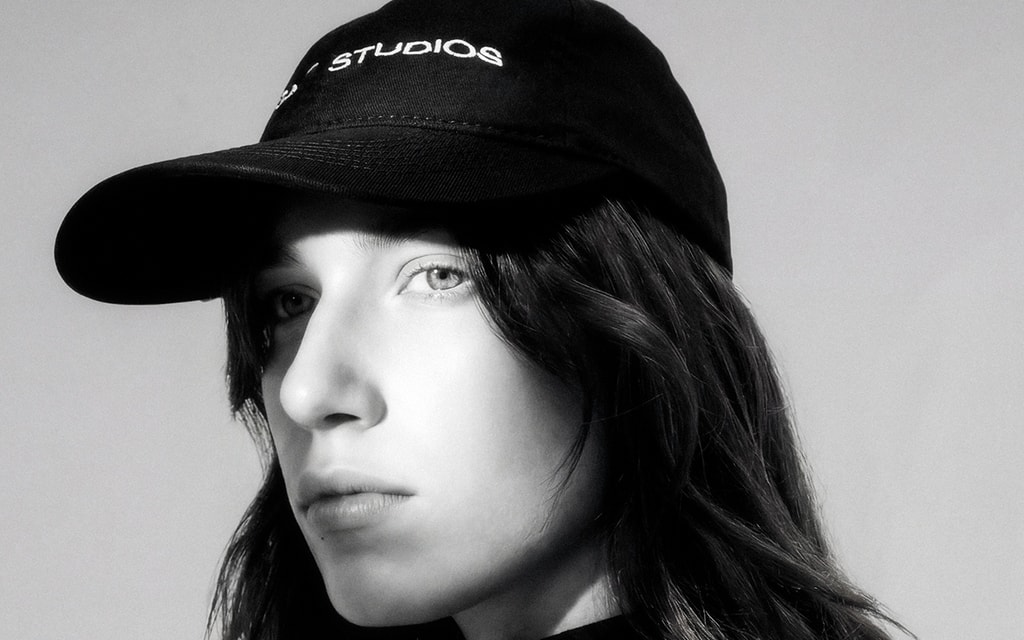
Brashy Studios
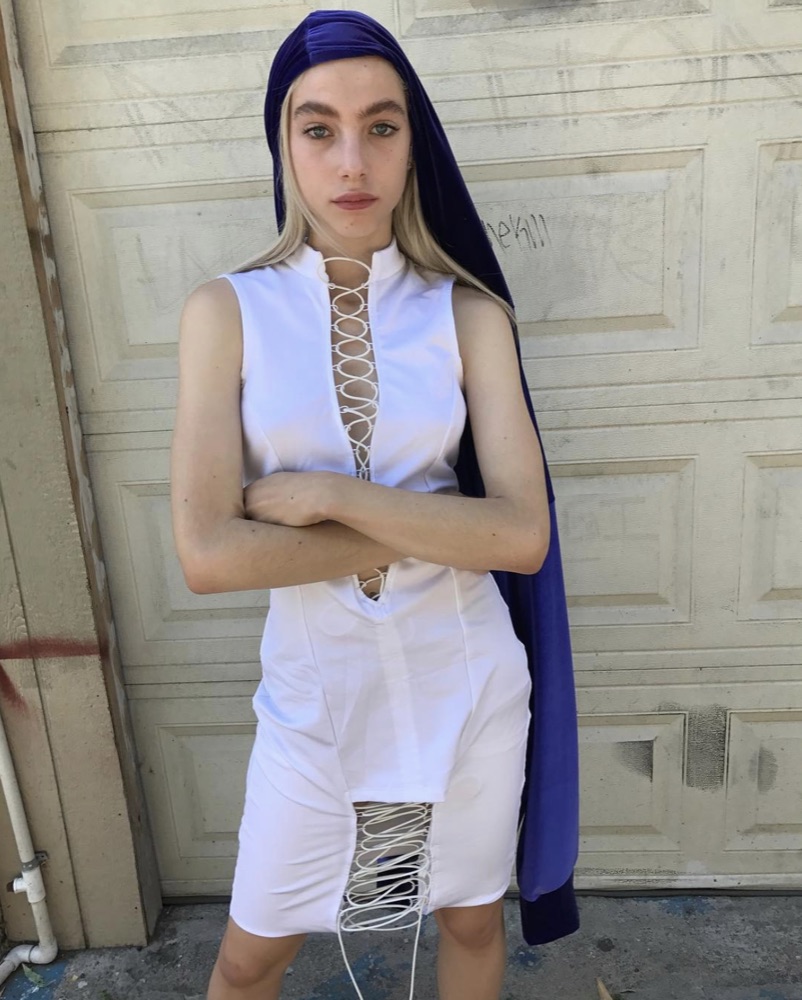
Co-founded in Los Angeles in 2011 by brothers Jacob Hägg and Axel Hägg, uniting women’s streetwear, graphic direction, custom video filters and analogue photography until 2020.
Every garment was cut, sewn and finished in downtown Los Angeles.
“Inspired by the past, but never stuck in it, Stockholm-born brothers Jacob Hägg and Axel Hägg combine subculture aesthetics with everything they find on the darkest corners of the web, creating retro-futuristic streetwear that is both dissident and paranoid.”
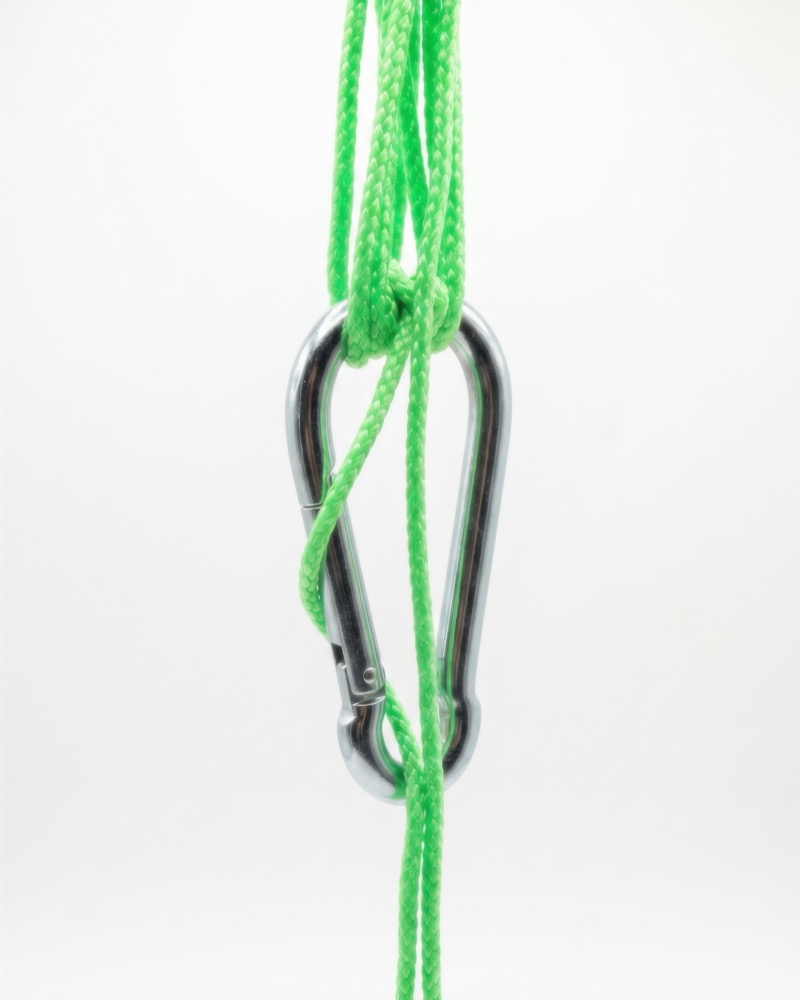
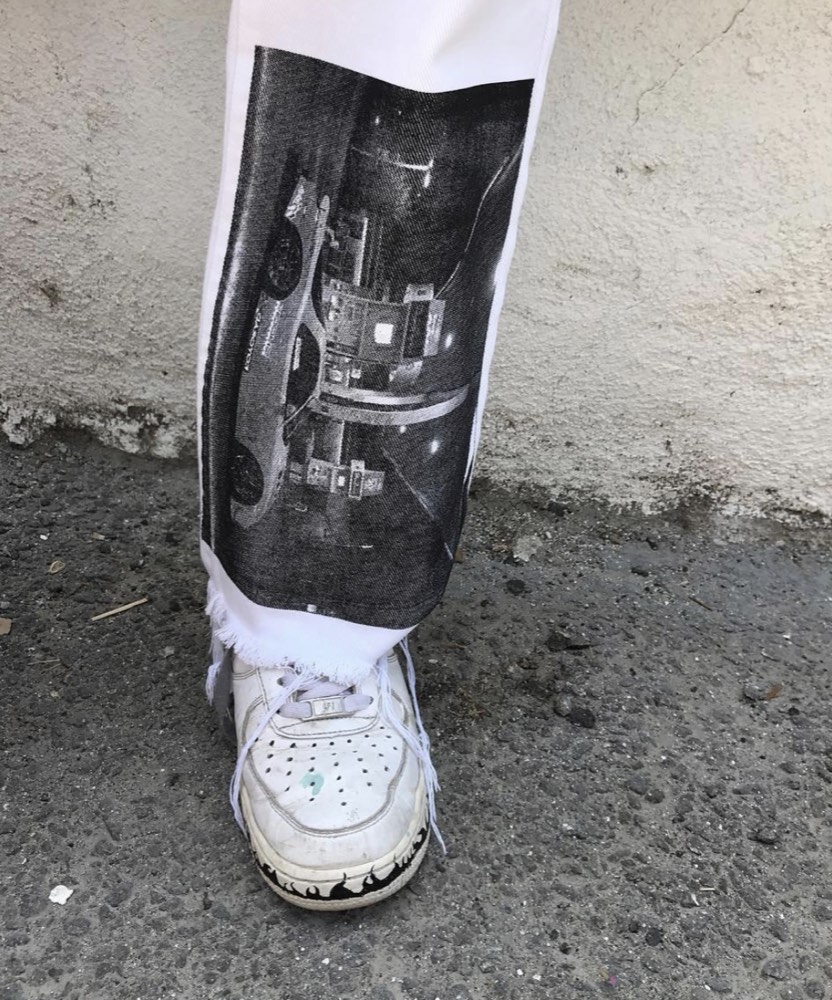
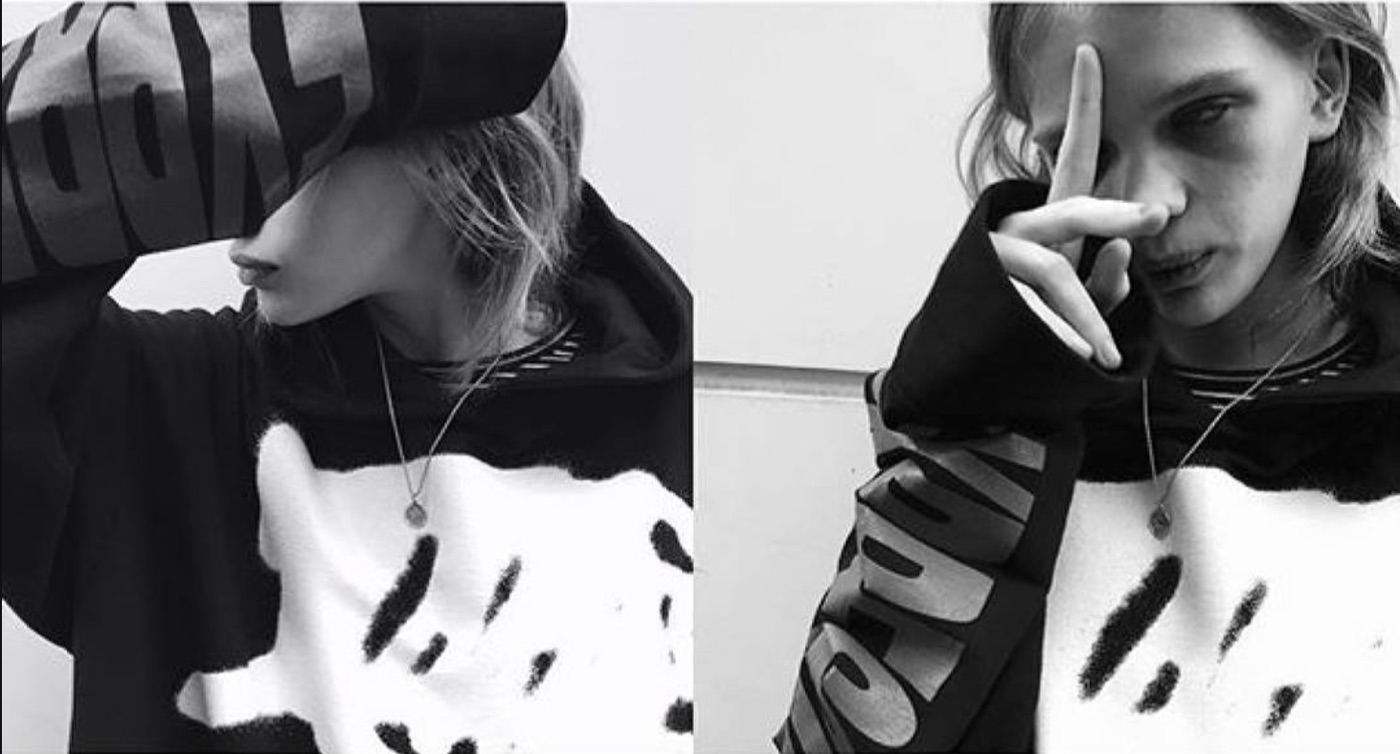
Pre-internet garment construction collided with early network aesthetics – industrial PVC, safety hardware, halftone screenprints and broadcast television error states.
Garments were treated as spatial propositions; lookbooks were treated as forensic documents.
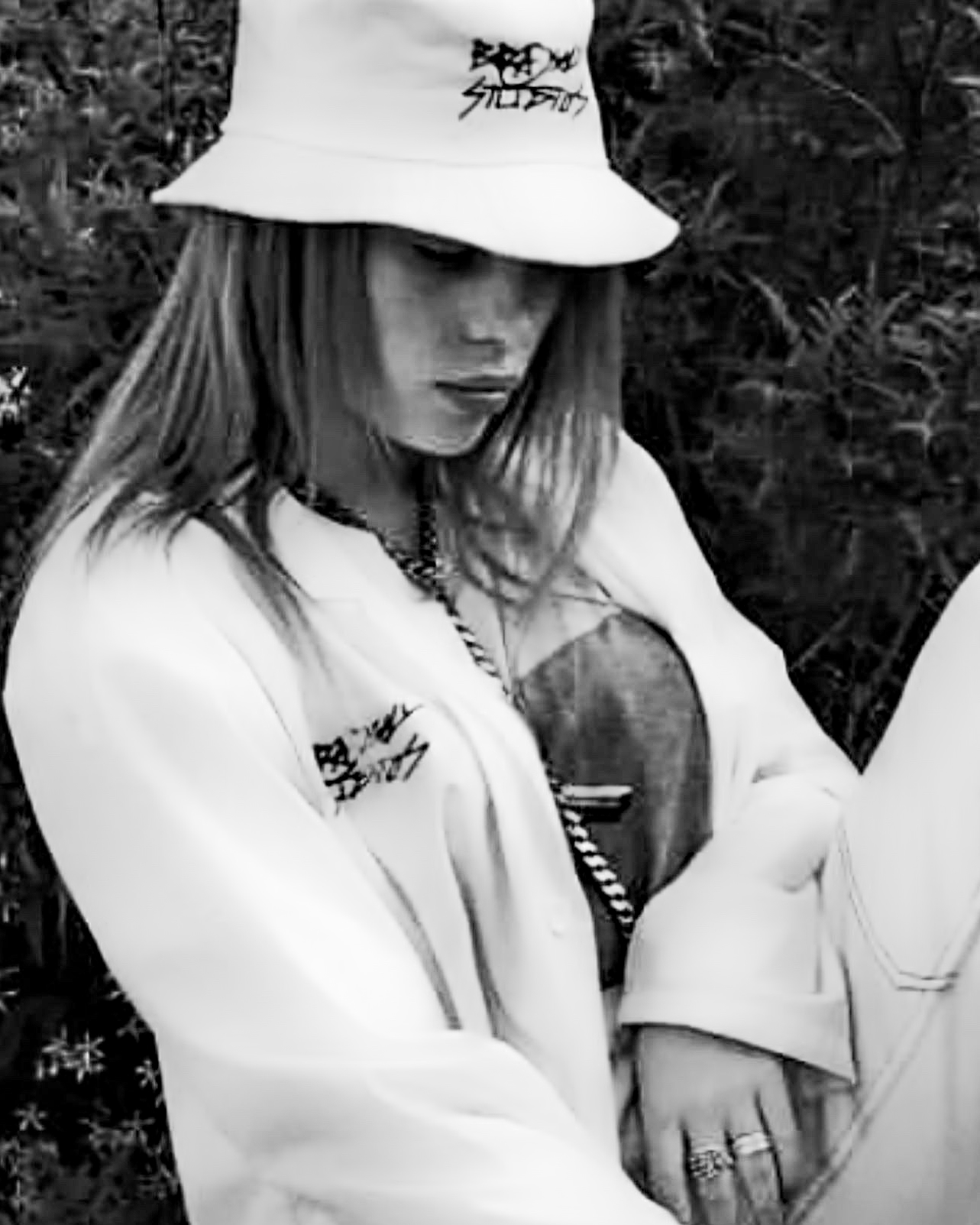
Worn · Ariana Grande, Bella Hadid, Billie Eilish, Cara Delevingne, Charli XCX, Gigi Hadid, Kaia Gerber, Kali Uchis, Kendall Jenner, Kylie Jenner, Rihanna, Simi & Haze, Snoh Aalegra, Amelia Gray.
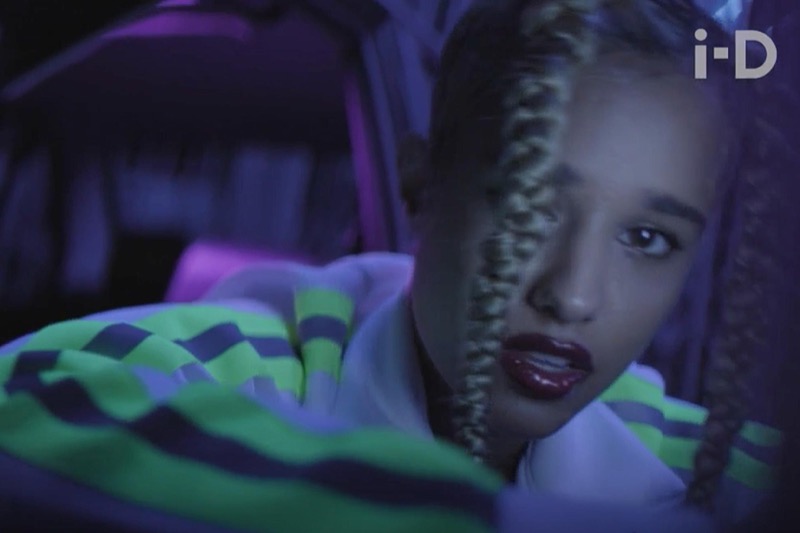
Covered · Vogue, New York Times T-Magazine, i-D, Hypebeast, Highsnobiety, Nylon, Paper, Dazed, MoMA.
Launched independently with zero external funding. The first collection sold through within one month of release.
Developed a material vocabulary in heavy cotton, transparent polymers and industrial hardware across 480 SKUs.
Expanded across 8 countries with 340% year-over-year revenue growth and exclusive capsule collections built for Colette Paris, KITH New York and Hong Kong’s I.T.
“Take Note” – Highsnobiety.
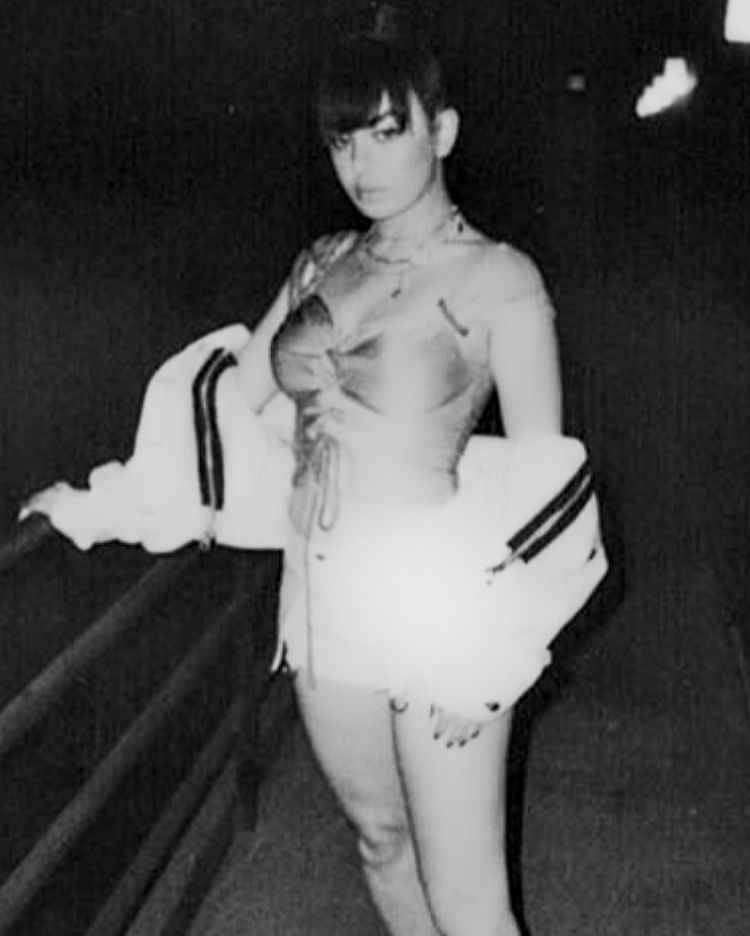
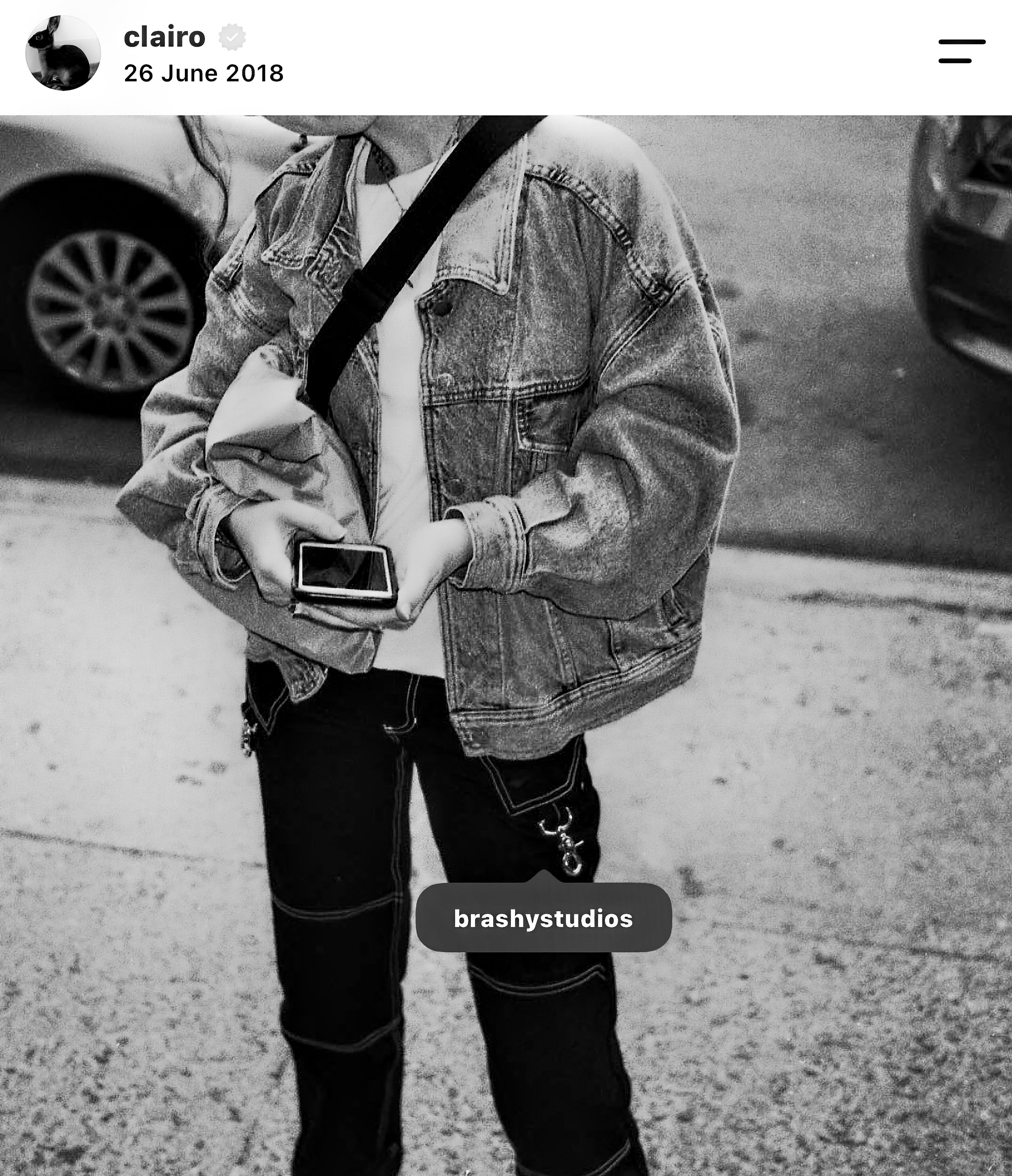
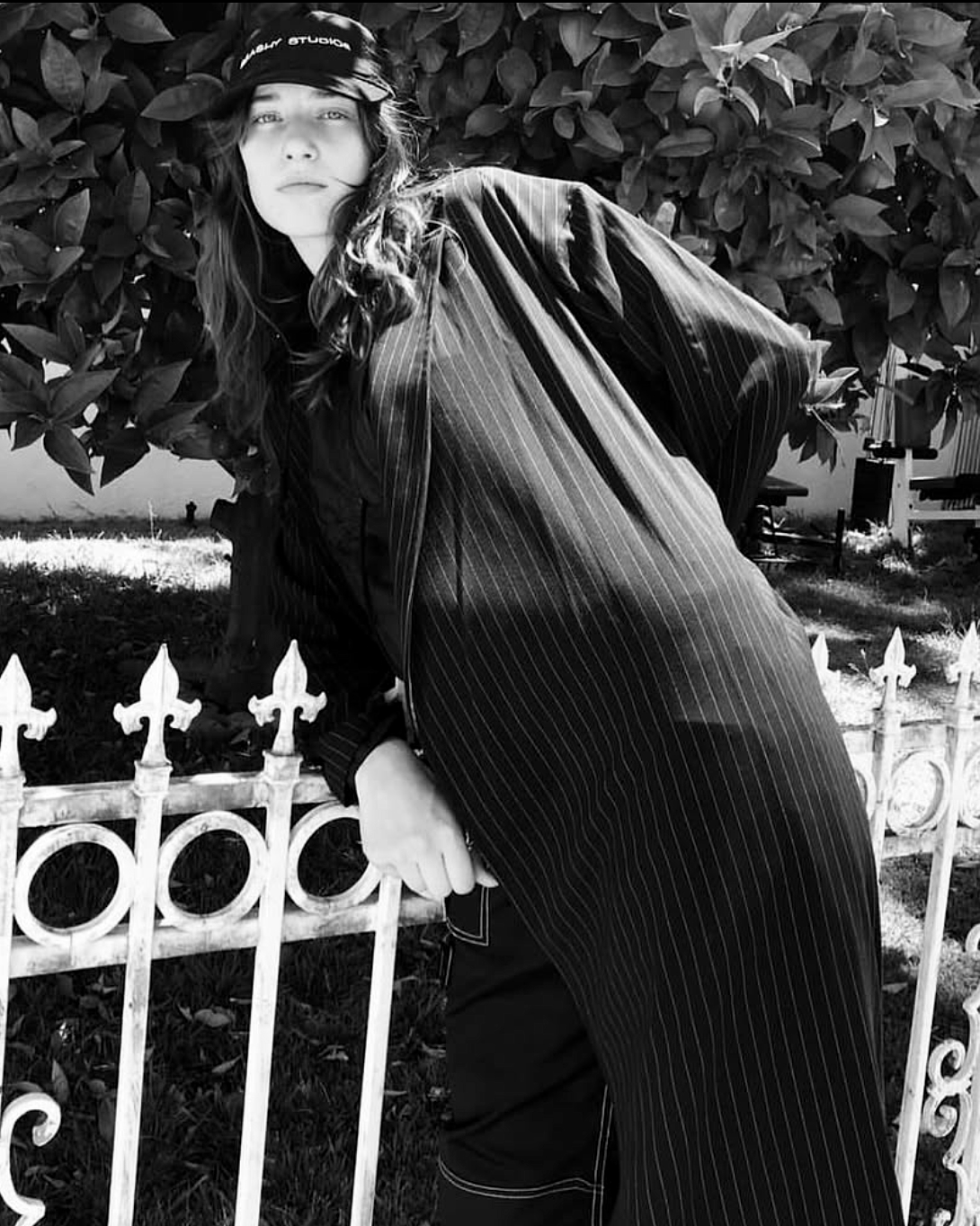
The Museum of Modern Art in New York selected Brashy Studios for inclusion in ‘Items: Is Fashion Modern?’, its first fashion exhibition in over seventy years (catalogue p. 256).
“Brashy Studios Unravel Women’s Streetwear Fashion” – The New York Times.
A collection named after a birth certificate no state ever issued. Everyone under thirty already held one. Nobody had thought to print it on a garment and let the wearer file the claim in public.
The audience was not online. The audience was from there, the way a person is from a country.
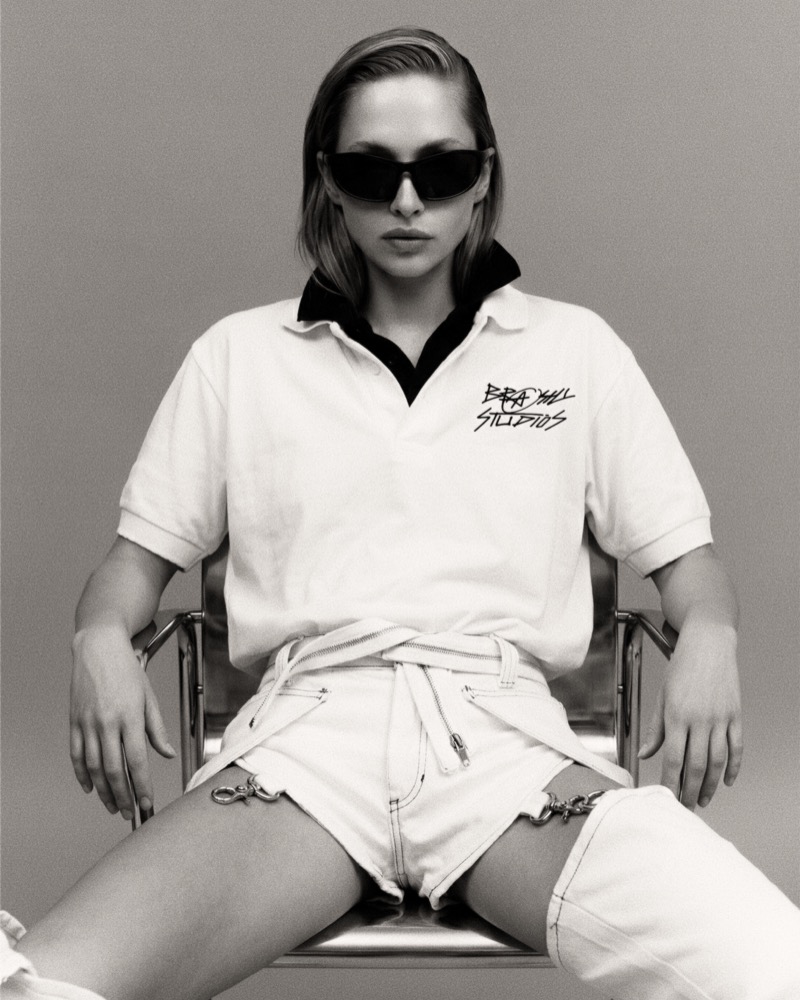
Three mechanisms, and the collection refuses to rank them. The meme – a form that survives by being copied badly.
A glitch that recurs is no longer a glitch, it is a grammar. The cord holds. The pin holds. What they hold is an argument about attention.
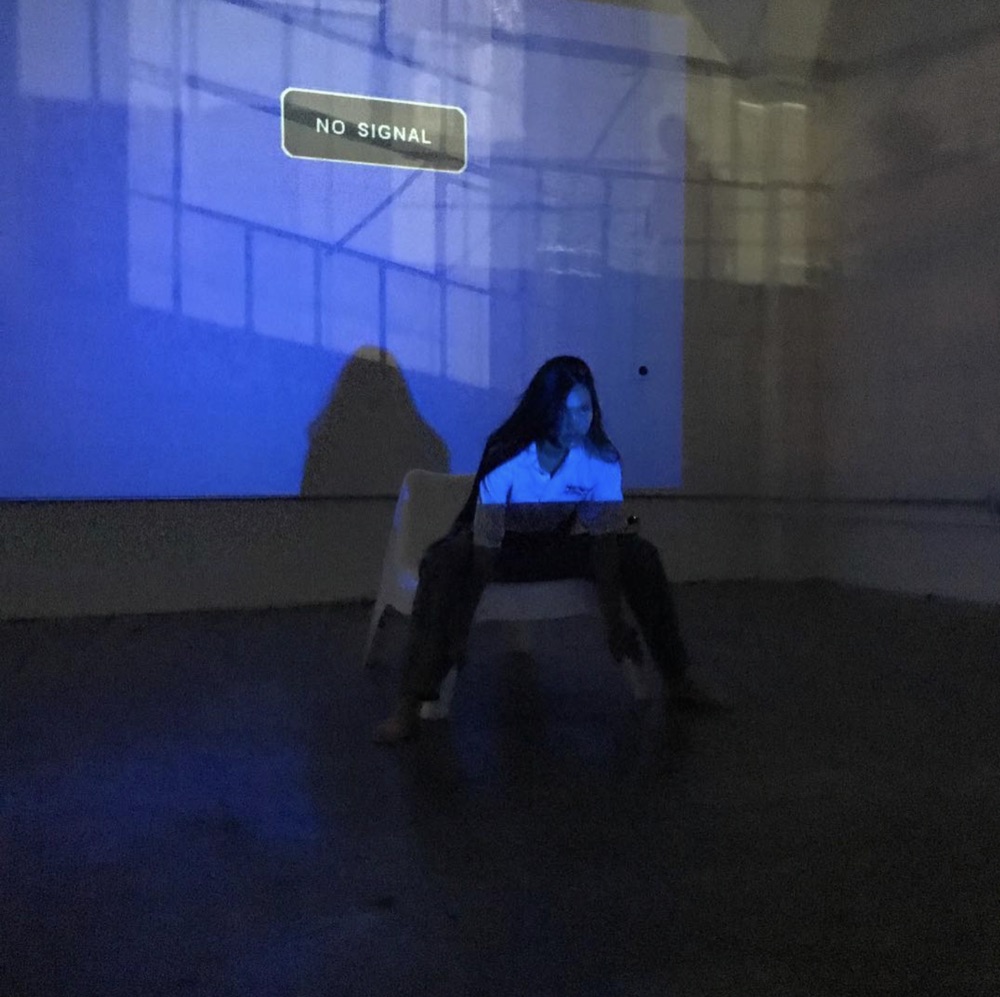
The loading state was promoted into the altarpiece. A custom filter was written to perform broadcast failure on command: RGB displacement, selective pixelation and television scan lines.
The lookbook was shot twice at once – Contax stills on one side, VHS tape running on the other.
A camera that has to be wound, loaded and believed, aimed at a collection about a place with no weather and no hours.
To photograph the internet on the one substance that will not accept a correction is an accusation. Then the roll ends and the afternoon is over.

The product page is the most disciplined room in fashion. Garments were shot straight, exactly to form, and then put through the custom filter at calibrated settings.
The dial was set at the exact point where signal damage reads as intent.
A person cannot stop finishing an unfinished picture. So the feed took the trail and the site kept the lookbook: a phone picture first, a glimpse of the room next, then a detail close enough to feel.
The friction was not a flaw in the funnel. The friction was the funnel.
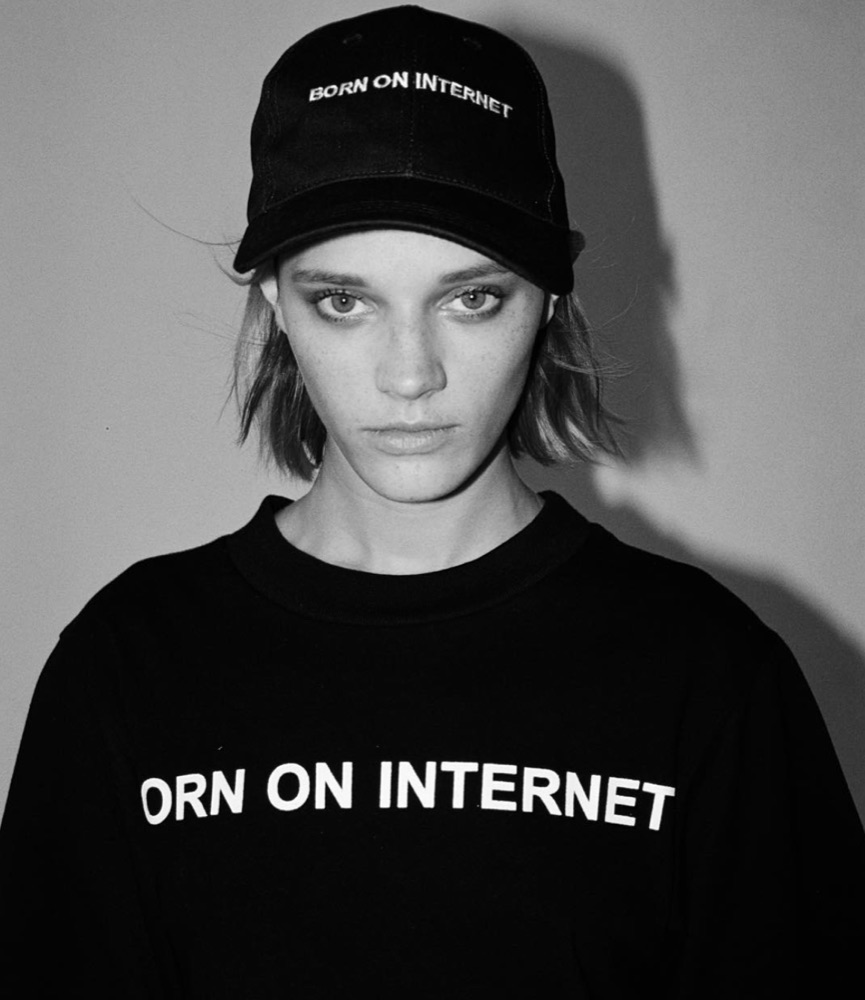
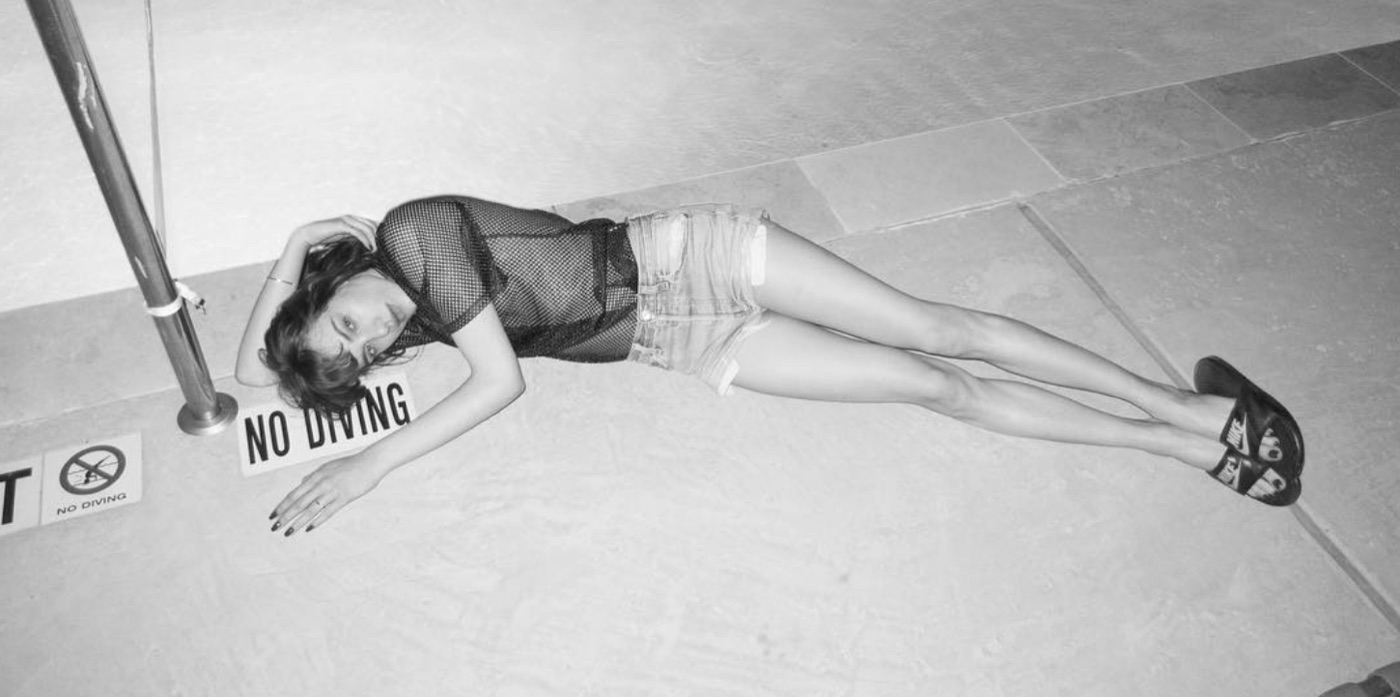
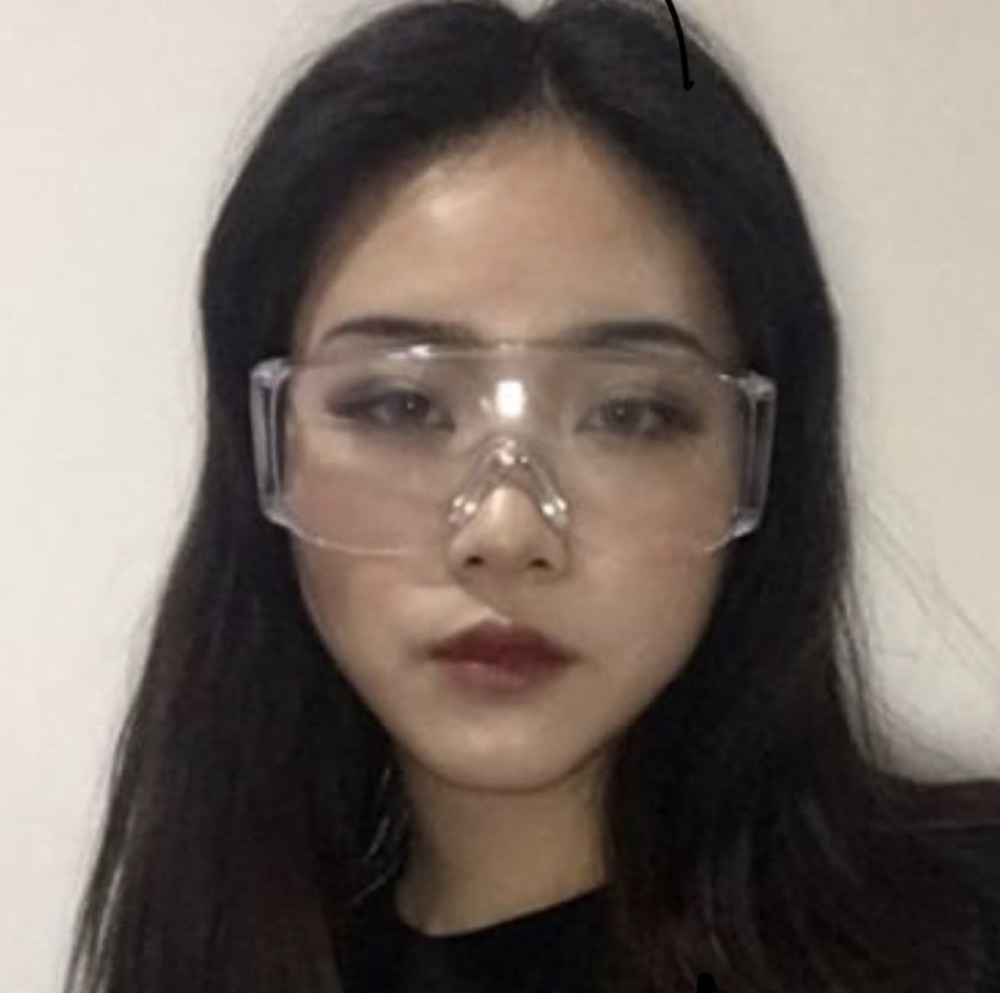
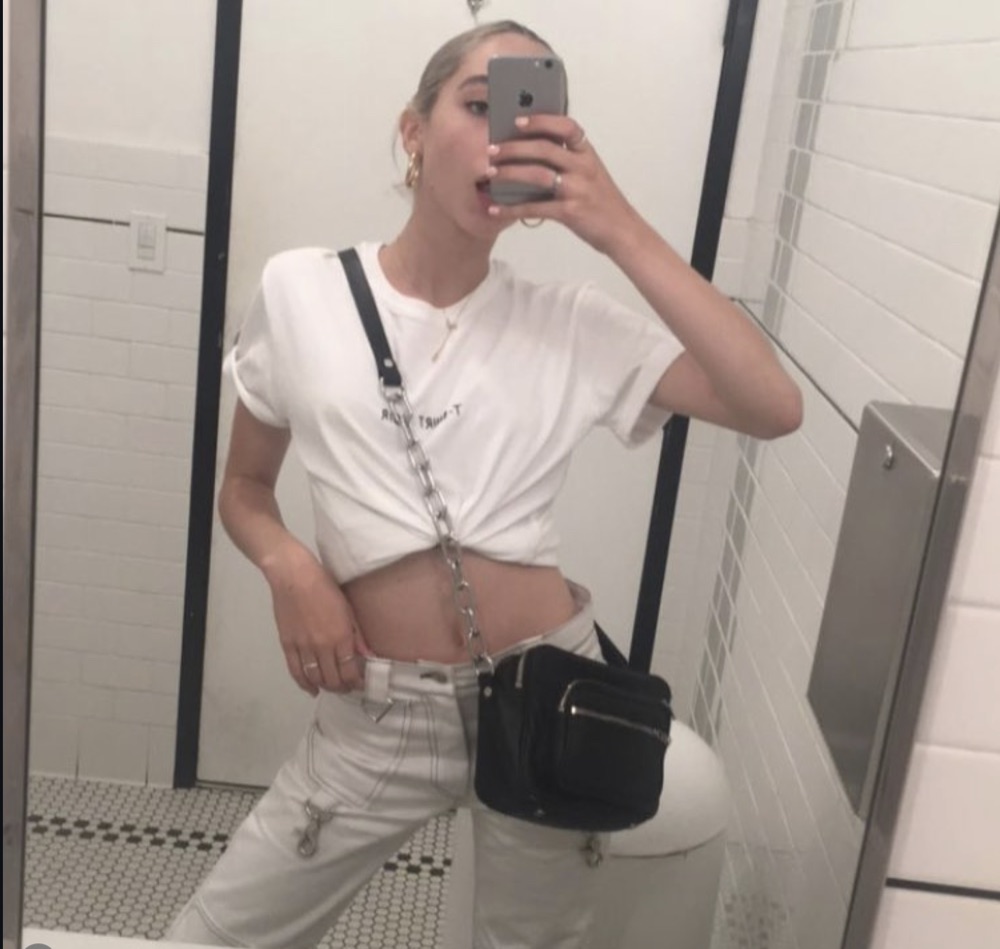
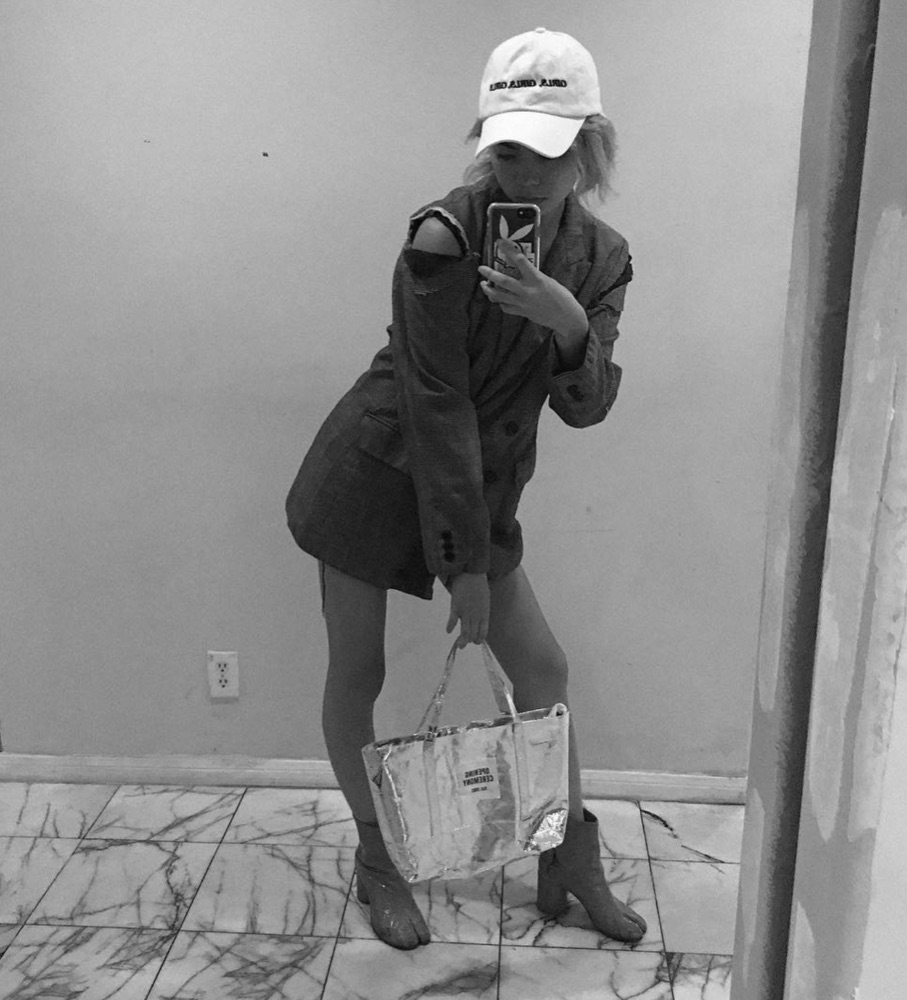
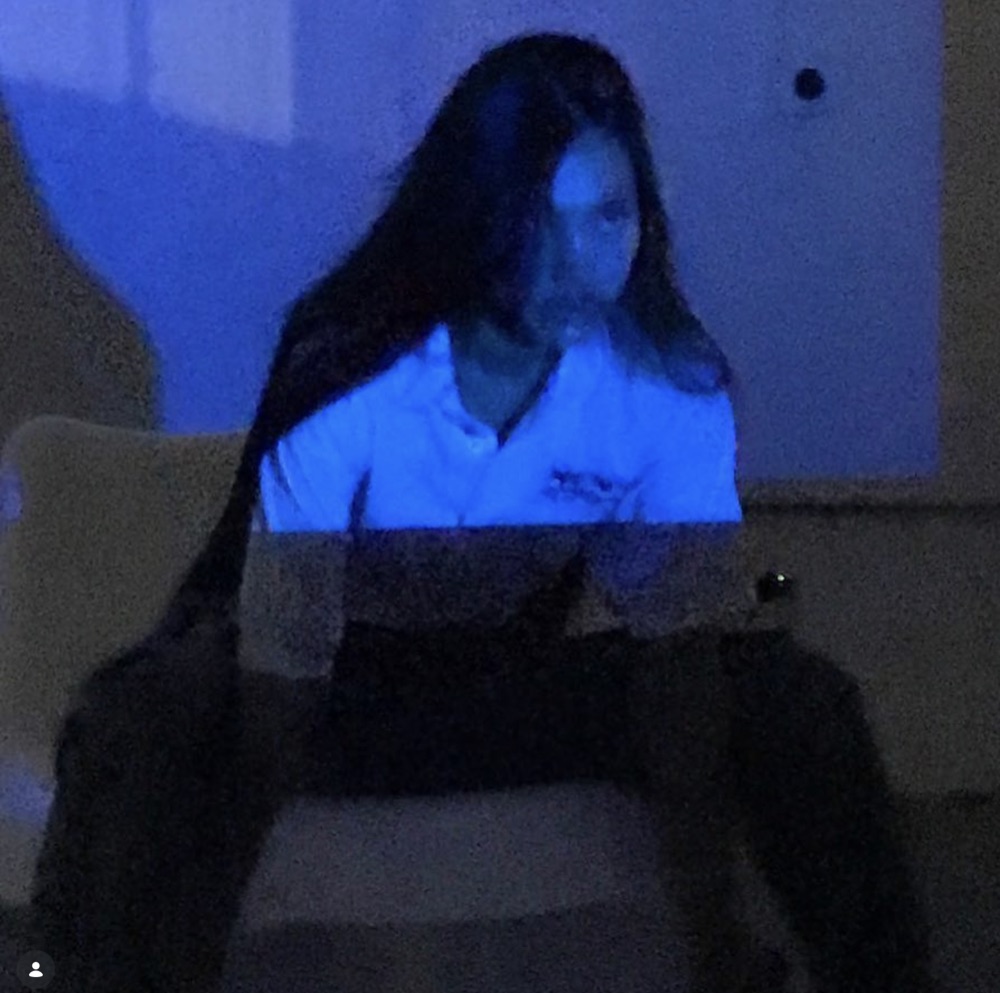
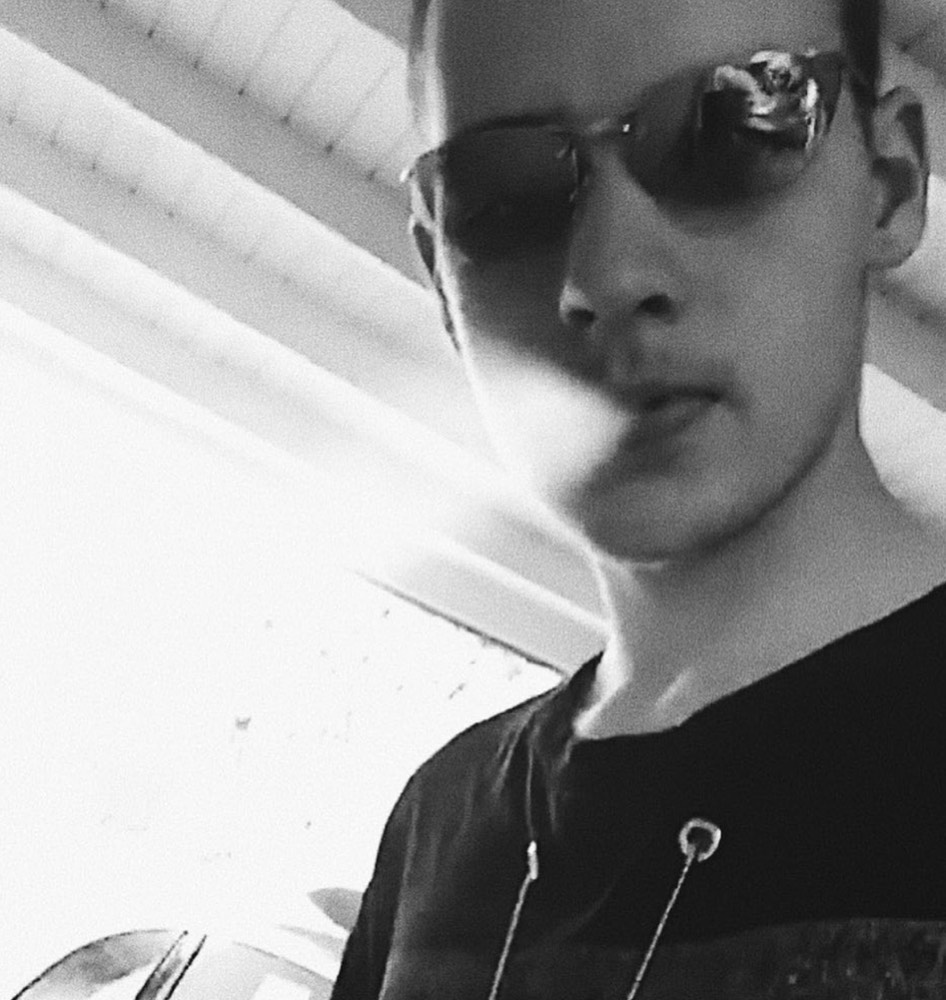
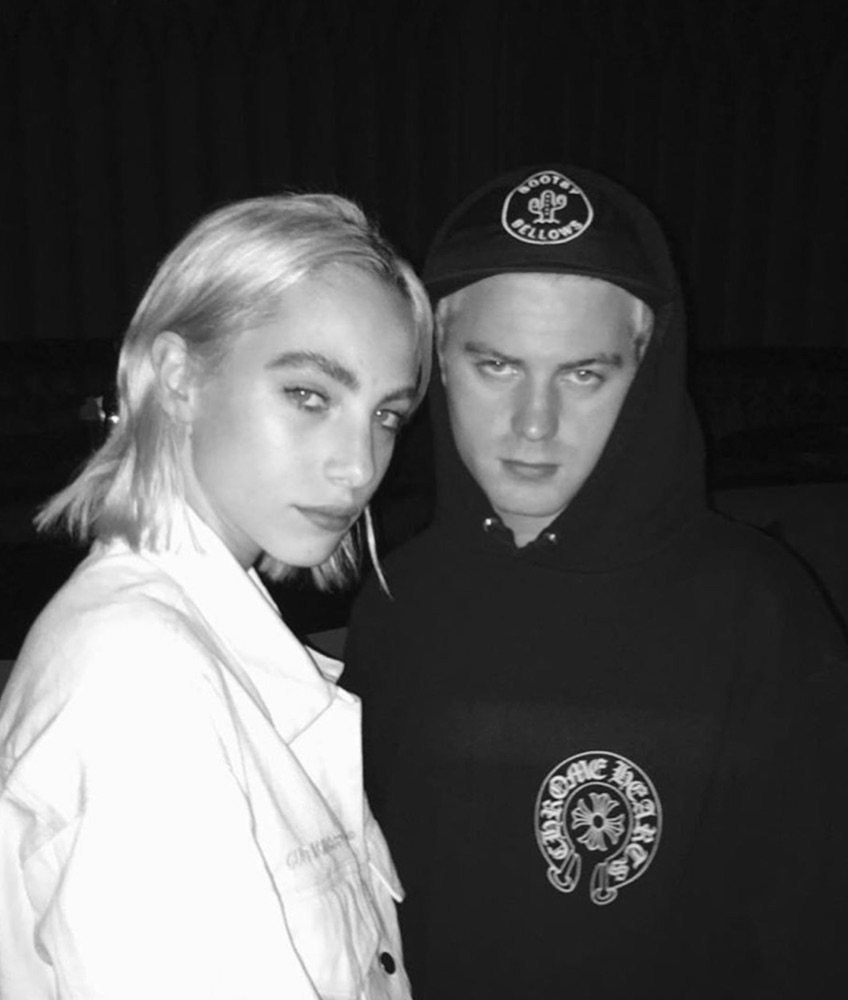
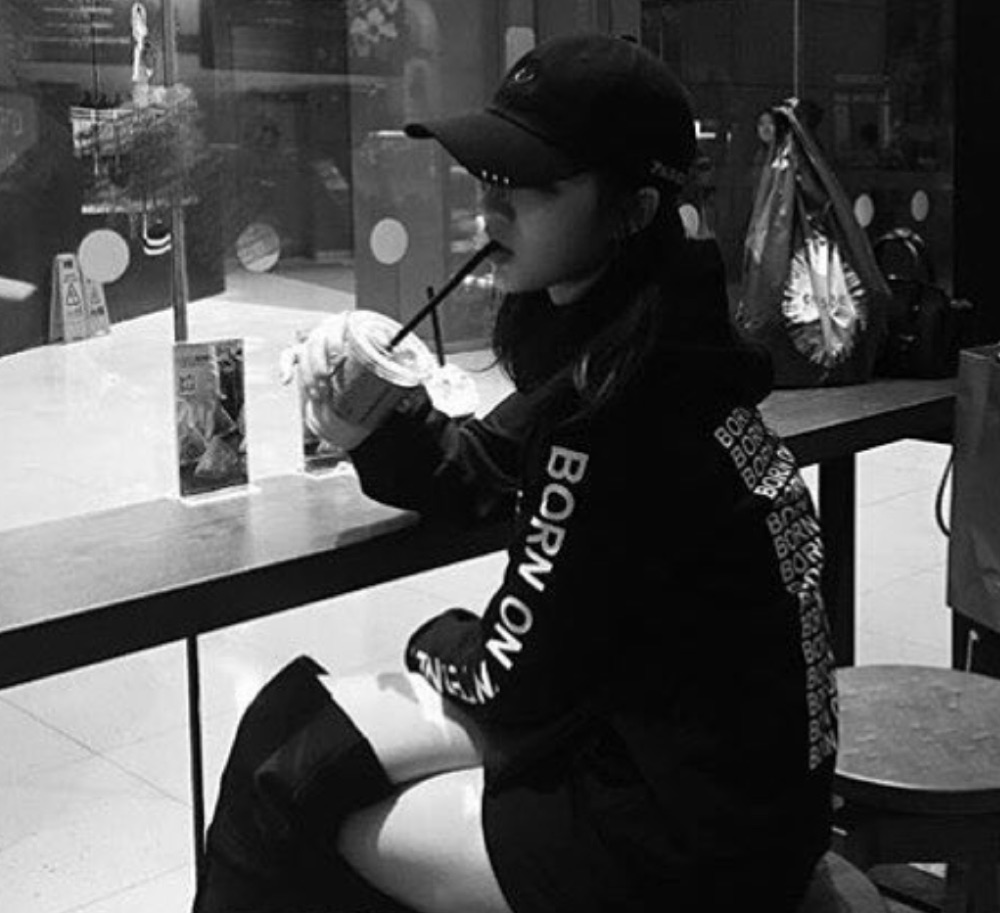
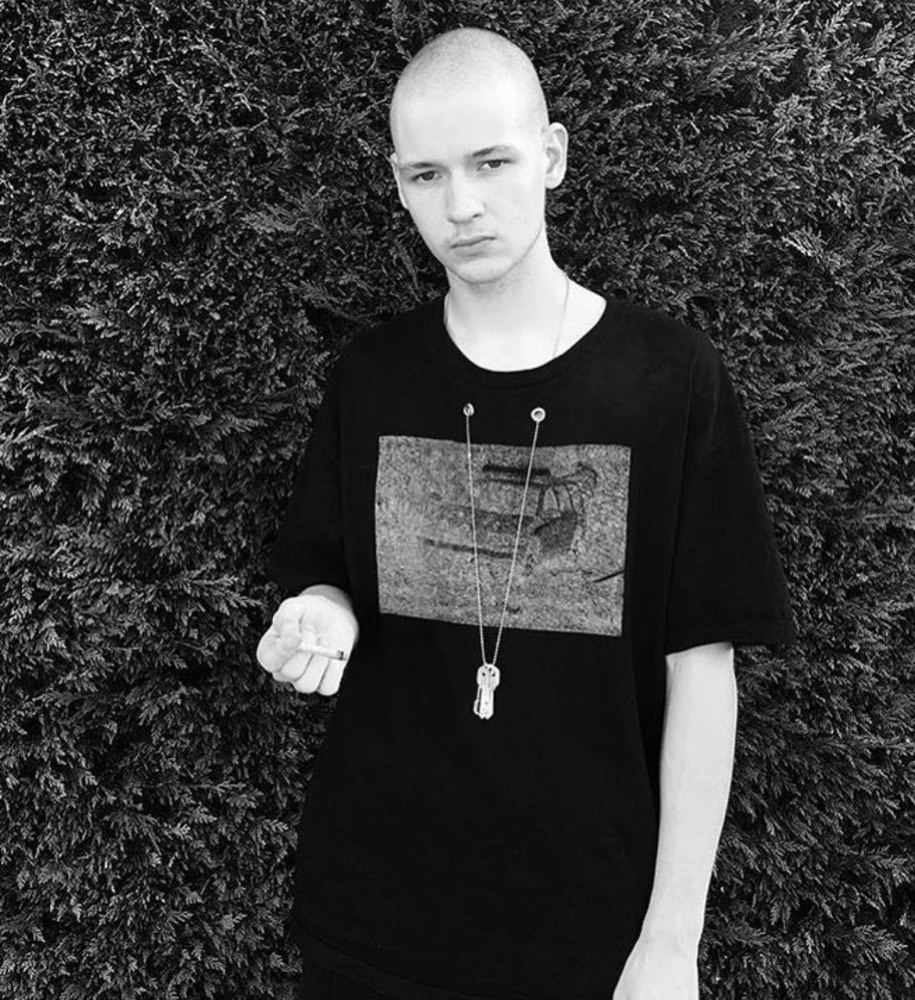
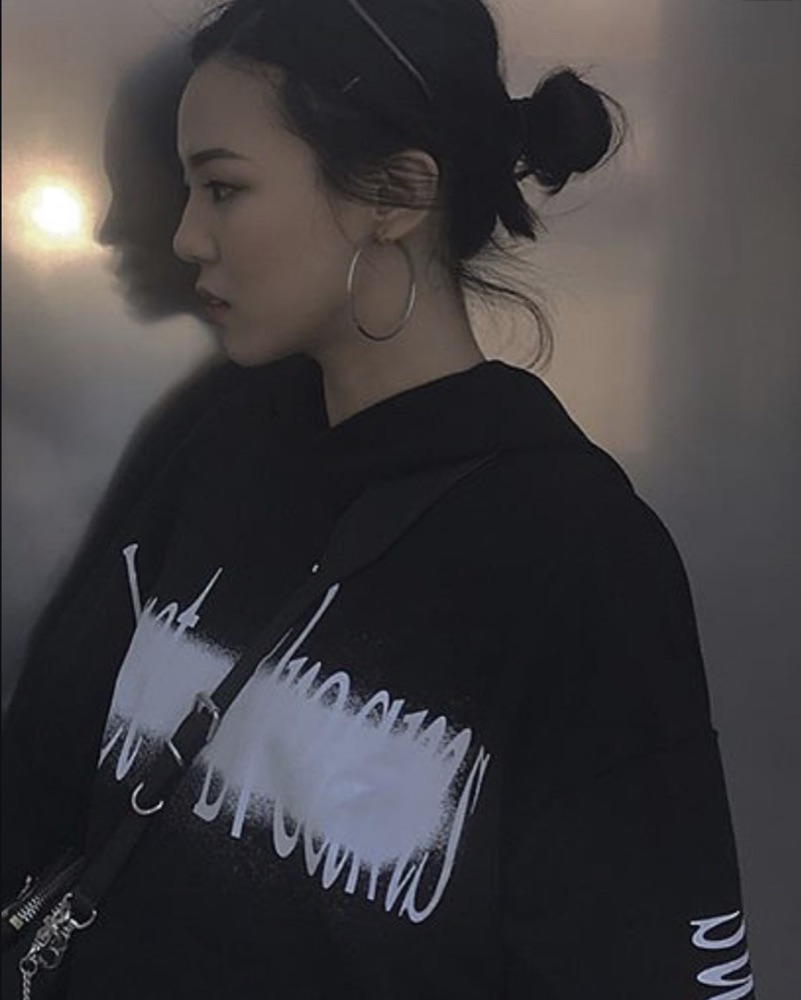
The lookbook never went to the platforms. The trail is the record now – front cameras, mirrors, a mall food court and two frames that escaped the shoot.
Every frame here is a second-generation screengrab: a rubbing where what comes back is the pressure rather than the object.
Proving ground for the creative and operational disciplines now continued across Haegg & Haegg Group, Studio Super Intelligence, Calleoke and Negative Space in Stockholm.