HHG — Haegg & Haegg Group

[ B ] · Brashy Studios · Venture highlight

Brashy Studios

Retro-futuristic streetwear — a label by Jacob & Axel Hägg.

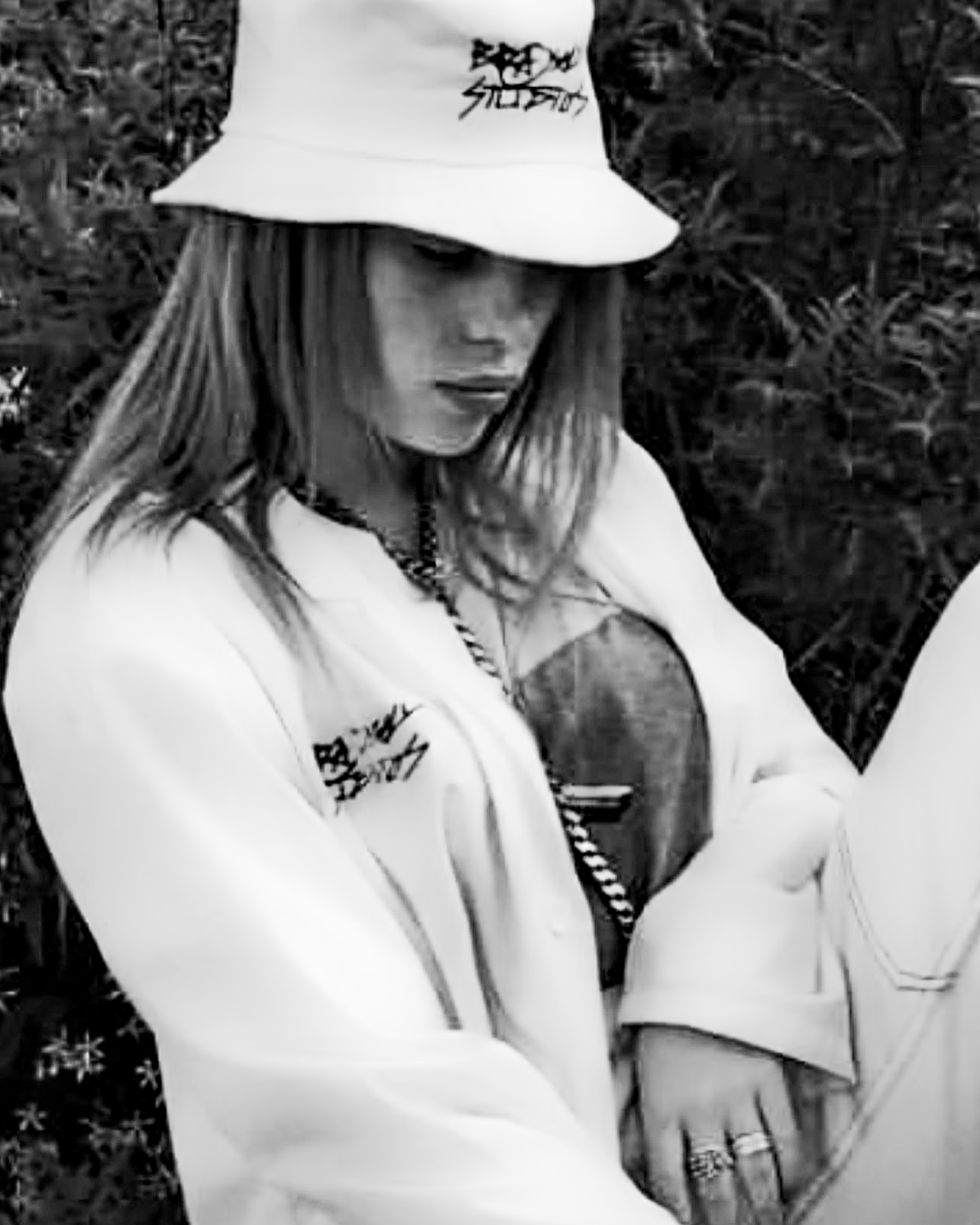
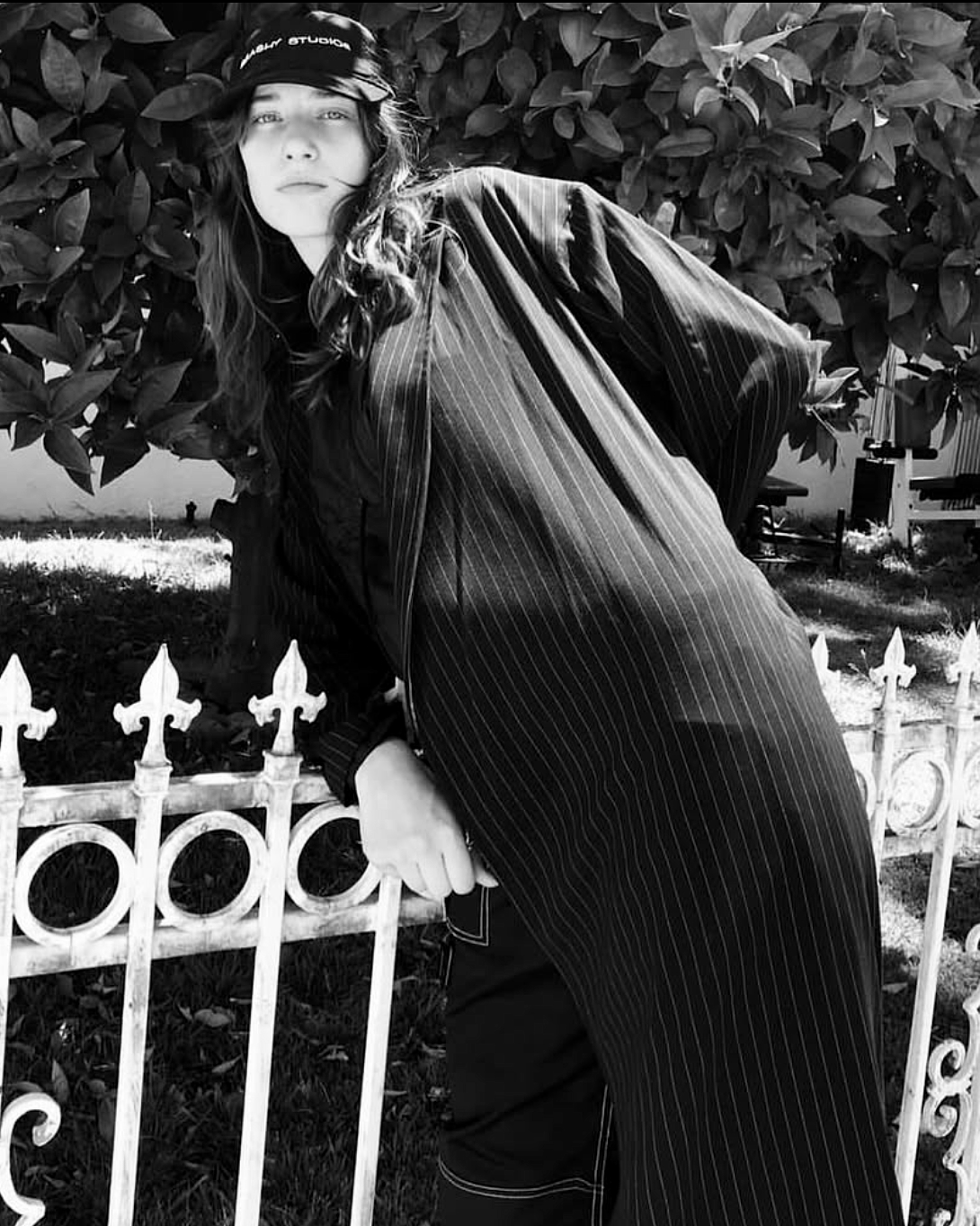
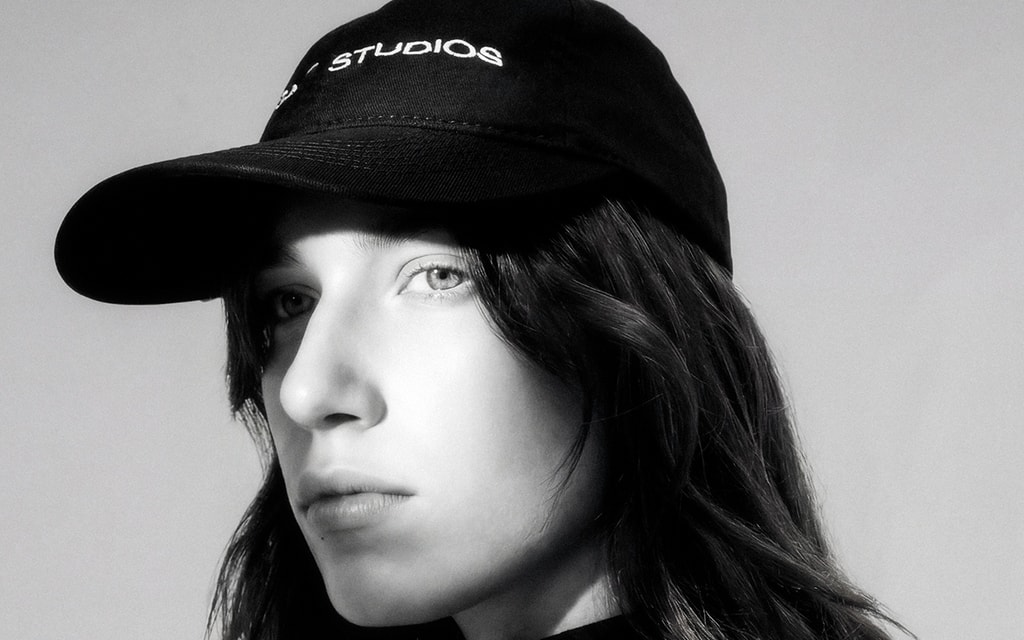
Black-and-white campaign portrait: close crop of a model in a black Brashy Studios cap
Founded Stockholm · built Los Angeles · worn everywhere.
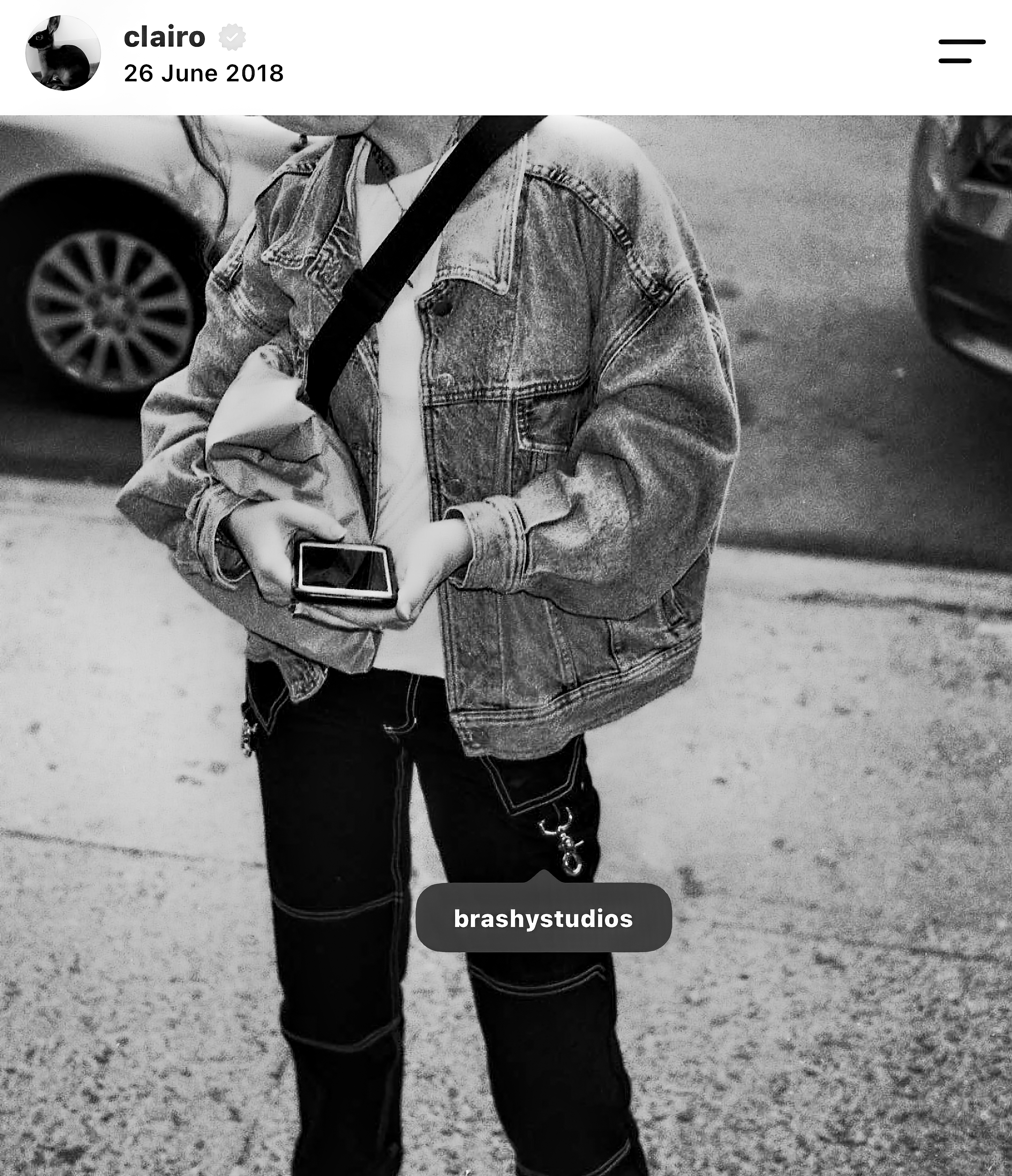
Instagram@BRASHYSTUDIOS →
“ Inspired by the past, but never stuck in it, stockholm-born brothers, Jacob Hägg and Axel Hägg, combine subculture aesthetics with everything they find on the darkest corners of the web, creating retro-futuristic streetwear that’s both dissident and paranoid. It’s that marriage of pre-internet styles with a technology-based edge that makes brashy studios super 90’s. But distinctly now - oh, and really cool. ”
— Alexandra Weiss, Bullett / Interview Magazine

[ B·0 ] · The record

Emergent from Los Angeles, Brashy Studios transcends conventional fashion taxonomies—a luminous intervention at the intersection of cultural archaeology and posthuman aesthetics. Stockholm siblings Jacob and Axel Hägg orchestrate this convergence: not merely clothing but a topological mapping of the spaces between established disciplines, where authentic innovation crystallizes.

The studio functions as an algorithm of opposites—transforming overlooked frequencies into harmonics of style that ripple through perception. Their methodology distills retroactive futurism through contemporary metallic clarity, each collection a thesis on temporal collapse and expansion.

All garments are designed and manufactured in downtown Los Angeles—each piece an artifact of localized creation, embedding the urban pulse directly into material form.

The creative direction manifests as architectural thought—garments as spatial theory, lookbooks as phenomenological documents. This vision synthesizes elevation with authenticity, generating a recursive dialogue between nostalgic undertow and forward momentum—the essential polarity of the Brashy paradigm.
[ B·1 ] · Worn / covered / stocked

Ariana Grande, Bella Hadid, Billie Eilish, Cara Delevingne, Charli XCX, Gigi Hadid, Kaia Gerber, Kali Uchis, Kendall Jenner, Khloé Kardashian, Kourtney Kardashian, Kylie Jenner, Rihanna, Simi & Haze, Snoh Aalegra, Amelia Gray and more.

Vogue (US, Korea, Spain, Russia, India, Australia), New York Times T-Magazine, I-D, Hypebeast, Highsnobiety, Nylon, Paper Mag, Refinery 29, Teen Vogue, Allure, Fader, Schön! Magazine, Wonderland Magazine, MoMA, Bullett Magazine, End Paper, Hypebae, Daily Mail

Colette, KITH, Hong Kong’s I.T, Maison Studio, Moda Operandi, Neu!, Rails, Tom Greyhound, VFiles

Stockist logotypes: Colette, Moda Operandi, VFiles
Stocked — Colette · Moda Operandi · VFiles

[ B·2 ] · Founding

From concept sketch to global phenomenon—Brashy Studios began with a vision to create streetwear that transcended conventional categories. Started in a small Los Angeles studio, we developed the initial brand DNA through careful material selection and an aesthetic that combined utilitarian elements with a raw, unfinished quality.

Our job encompassed every aspect of the brand's creation: designing the inaugural collection, establishing the minimalist visual identity, directing photoshoots, and building relationships with early stockists. The first collection featured innovative use of PVC and transparent materials—a signature that would define the brand.

The deliberate choice to focus on women's streetwear—an underserved segment in 2011—proved pivotal. By addressing this gap with authentic design language, Brashy Studios established immediate credibility with fashion-forward consumers.

Successfully launched with zero external funding
First collection sold through independently within 1 month
Established signature material language that became brand hallmark
Created foundation for authentic brand voice that resonated beyond fashion
Attained US visa and moved HQs from Stockholm to Los Angeles

[ B·3 ] · Global recognition

By 2014, Brashy Studios had evolved from local phenomenon to globally recognized brand through strategic retail partnerships and distinctive visual identity. We orchestrated this expansion through careful selection of retail partners that aligned with our position between streetwear and avant-garde fashion.

Securing placement in Colette (Paris) and KITH (NYC) represented a breakthrough moment.

Jacob personally directed this strategy, building relationships with buyers and developing exclusive capsule collections that highlighted our innovative material approach while maintaining production feasibility.

The brand's imagery became increasingly distinctive during this period. He developed a visual language that combined clinical minimalism with unexpected styling—creating lookbooks and campaign imagery that communicated not just products but a complete aesthetic universe. This approach extended beyond clothing to packaging, retail displays, and digital presence.

“Take Note” — Highsnobiety
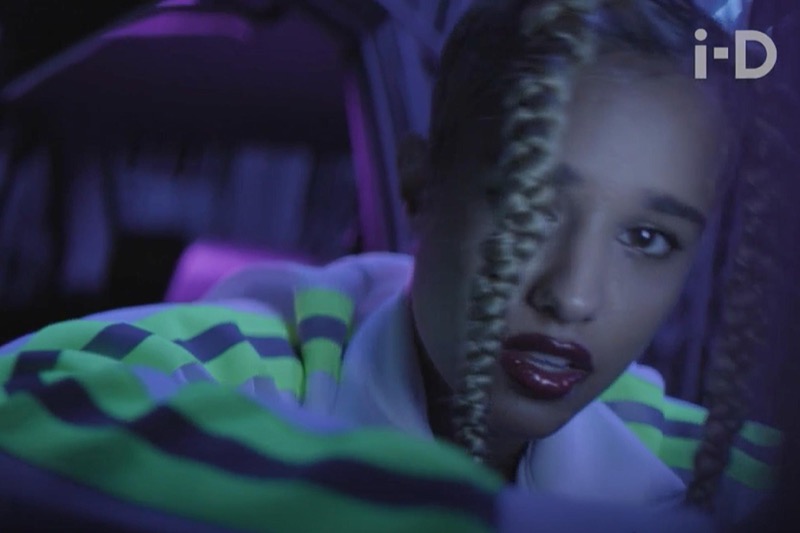
i-D video still: Tommy Genesis in a neon-striped Brashy Studios piece
i-D video special — Tommy Genesis in full Brashy Studios
i-D video still: eyes in a rearview mirror, neon light
i-D video special — rearview still
Expanded to 22 premium stockists across 8 countries
Achieved 340% year-over-year revenue growth
Featured in 15+ global fashion publications
Developed cult following among fashion forward consumers and industry insiders

[ B·4 ] · Celebrity breakthrough

2017 marked Brashy Studios' transition from industry insider favorite to cultural phenomenon through strategic celebrity integration. Rather than pursuing typical endorsement relationships, we developed an organic seeding strategy that emphasized authentic connection with artists and performers whose aesthetic aligned with the brand.

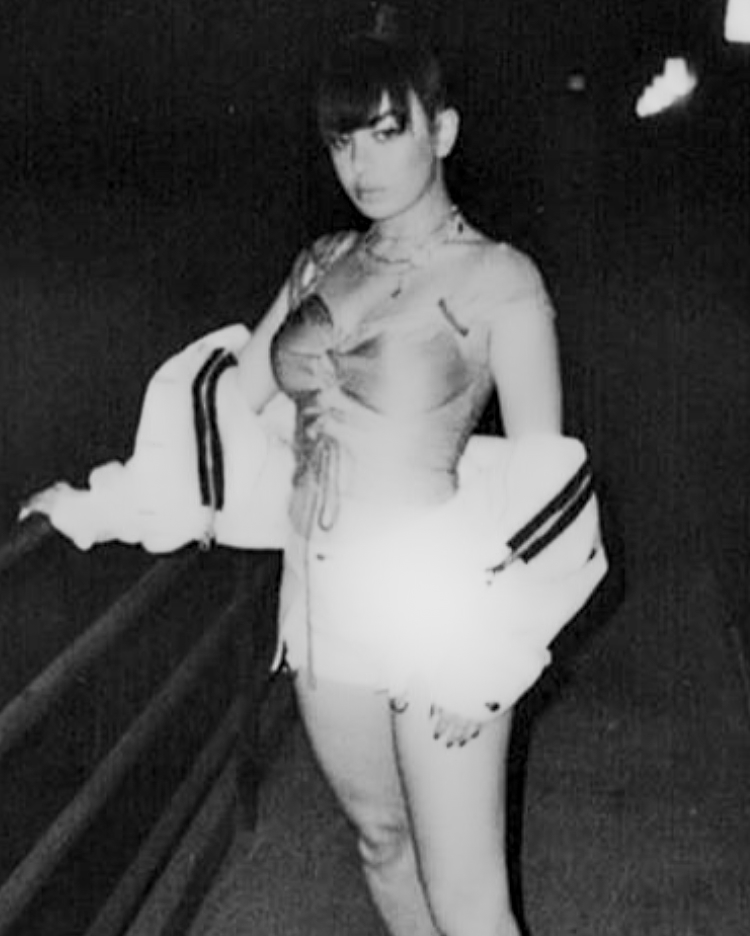
When Billie Eilish and Charli XCX began incorporating Brashy pieces into their performance wardrobes, it validated the brand's position at the intersection of music, art, and fashion. We leveraged these relationships through carefully composed editorial content that emphasized the creative resonance rather than mere celebrity placement.

This period saw the expansion of the brand's material vocabulary beyond transparent PVC to include technical fabrics and experimental textiles. We directed this evolution through close work with suppliers and manufacturers, maintaining the brand's distinctive visual language while expanding its creative territory.

“Kendall Jenner & Kaia Gerber's Crop Tops” — Vogue
“Bella Hadid Makes The Case” — Vogue
Worn by 25+ major celebrities including Kendall Jenner, Kaia Gerber, Billie Eilish, and Charli XCX
Featured on 3 major magazine covers
Expanded product range from 120 to 480 SKUs while maintaining brand cohesion
Increased social following from 6,000 to 22,000 through organic growth
Established Brashy Studios as cultural reference point beyond fashion industry

[ B·5 ] · Cultural integration

By 2019, Brashy Studios had evolved beyond fashion label to become cultural signifier—a transformation we guided through deliberate brand extension and narrative development. The distinctive transparent materials and unfinished aesthetic had become recognized visual shorthand, referenced across fashion, music, and digital culture.

During this period, we expanded the brand's territory through strategic collaborations with artists and cultural institutions.

We also developed a comprehensive archive of the brand's visual evolution, documenting our material exploration and conceptual development. This archive served both as creative resource and validation of Brashy's cultural impact, establishing the brand as a significant voice in contemporary visual culture.

“Normani Takeover” — Paper Magazine
“Brashy Studios Unravel Women's Streetwear Fashion” — The New York Times
MoMA ITEMS: Is Fashion Modern? exhibition catalogue
ITEMS: Is Fashion Modern? — Museum of Modern Art
Worn white sneaker with hand-drawn flame artwork by Gabriette Schwaan
Artist collaboration — custom flame art by Gabriette Schwaan
Brand referenced in music videos, films, and other cultural productions
Pieces acquired for MoMA’s “Items: Is Fashion Modern?”
Established enduring design language that continued to influence industry
Successfully positioned brand at intersection of fashion, music, and digital culture
[ C ] · Born On Internet Campaign record

[ C·0 ] · Brief

A collection named after a birth certificate no state ever issued. Everyone under thirty already held one. Nobody had thought to print it on a garment and let the wearer file the claim in public.

The brief was not to reach an audience online. The audience was not online. The audience was from there, the way a person is from a country — with the accent, the food, and the unshakeable sense that everywhere else is a translation. You cannot advertise to a nationality. You can only issue it papers.
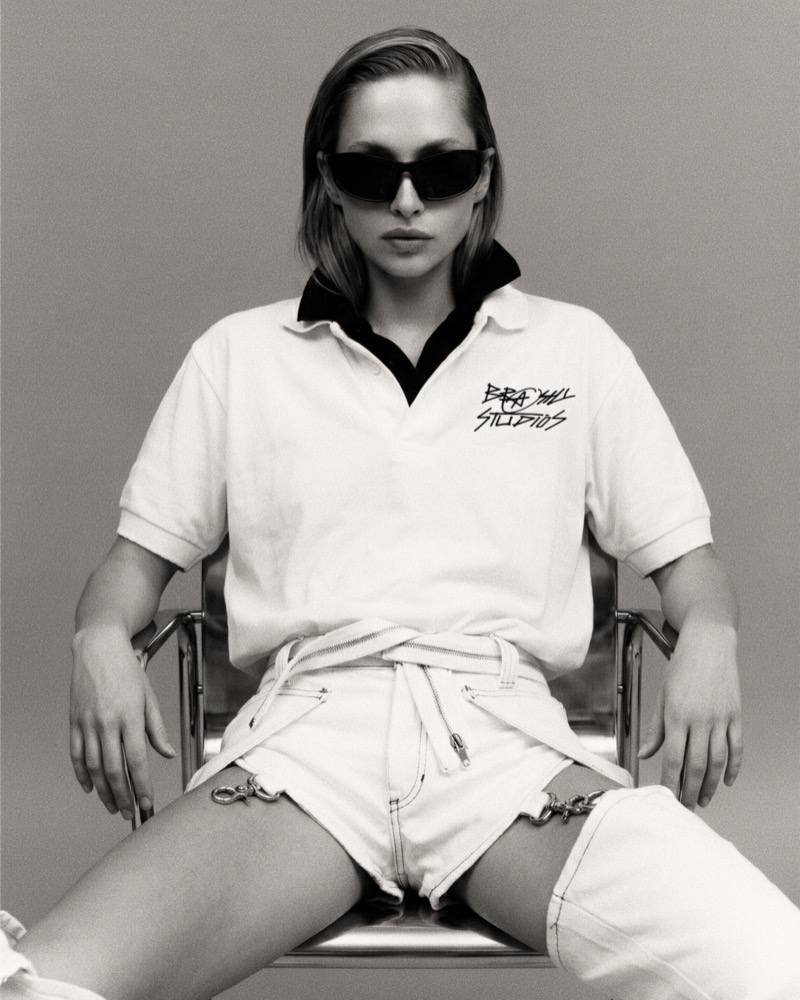
So: a language that survives the crossing. It has to hold on a screen at four hundred pixels, on a body at three metres, and inside a stranger's photograph of that body — which is the only one of the three that will outlive the other two.

Black-and-white campaign photograph: model seated in a chrome chair wearing a Brashy Studios logo polo
Logotype, worn

[ C·1 ] · Concept

Dawn is the correct word and it is not a compliment. Dawn is the hour when you can see but cannot yet identify, when every object is still only its own silhouette. The early internet held that light for a while. Then the sun came up on it.

Three mechanisms, and the collection refuses to rank them. The meme — a form that survives by being copied badly, the only organism whose fitness is measured in how much damage it can absorb. The systematic anomaly — a glitch that recurs is no longer a glitch, it is a grammar, and once you have seen this you cannot stop seeing it anywhere. And the crowd that assembles around an image and disperses before anyone can photograph it.

None of that is content. All of it is behaviour, and behaviour is the only thing a garment has ever been able to carry. The cord holds. The pin holds. What they hold is an argument about attention.
The screen here is not a window. It is a corrective lens, and the prescription belongs to somebody else.

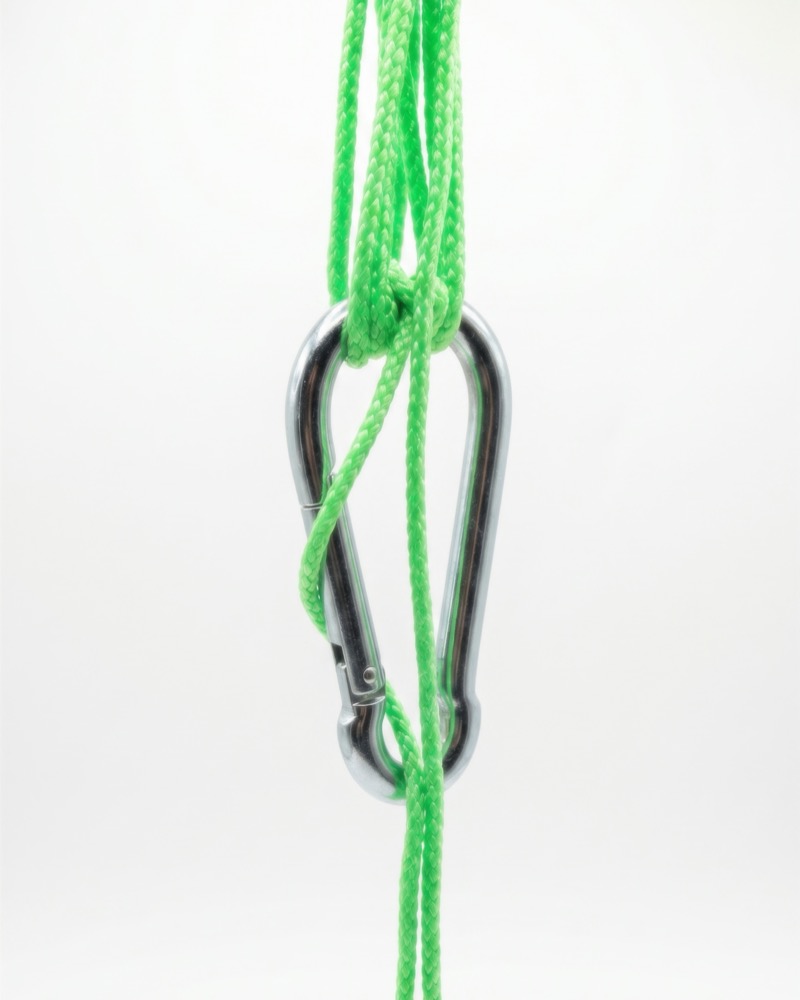
Neon green cord knotted through a steel carabiner on white
Cord, carabiner

[ C·2 ] · Process documentation

The research went backwards on purpose. Table layouts. Under-construction animations. The blue-bordered broken-image icon — the most honest picture a machine has ever made, an image whose entire content is the admission that there is no image.

Out of that comes the working term: the systematic anomaly. A glitch that happens once is an accident. A glitch that happens on schedule is a house style. The distance between those two sentences is the whole collection, and followed far enough it is also the distance between a mistake and a religion.

The loading state was promoted. Ordinarily it is the antechamber — the thing you look at while waiting to look at the thing. Here it is the altarpiece. An image on its way to you is more truthful than the image that arrives, because the one still in transit has not yet stopped admitting that it is being sent.

Then a filter was written. Not licensed — written, to perform failure on command. RGB displacement, so the three colours stop agreeing on where the subject is. Selective pixelation, which is a machine deciding on your behalf what deserved detail and what did not. And scan lines, lifted from a broadcast standard that cut every frame into two half-frames and trusted your eye to sew them back together. No eye ever did. You have been watching seams your entire life and calling it television.

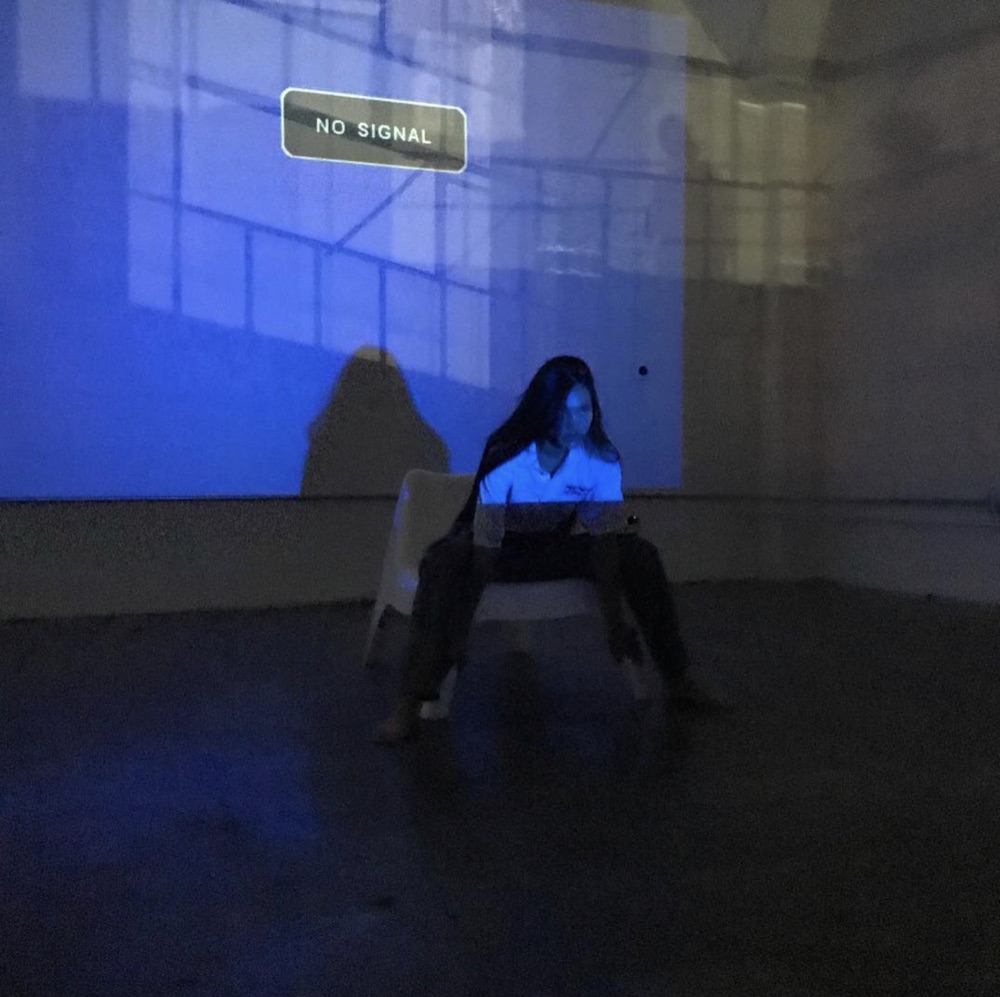
Studio floor in blue projector light: a NO SIGNAL bar thrown across the wall, a seated model lit by the same beam
Absence, projected
Black-and-white VHS still: model reclined on a tubular steel chair
Tape, first witness
Black-and-white VHS still: close crop of a face in a hood
Scan lines
The entire lookbook shot twice at once — stills on one side, VHS running on the other. Two witnesses to the same afternoon, and only one of them trusted to forget things
The tape's screengrabs became the primary imagery. The worse witness was promoted, precisely because it was the one that had lost something
A projector threw connection errors onto the wall, and onto whoever was standing in front of it. Light does not distinguish between a surface and a person

[ C·3 ] · Lookbook design

Contax G2. Black-and-white Kodak. A camera that has to be wound, loaded and believed, aimed at a collection about a place with no weather and no hours.

Reading this as nostalgia means you have stopped reading. Film is the only medium that cannot be taken back. Every frame is a chemical event: the silver either received the light or it did not, and no revision is available to anyone, ever. To photograph the internet — a place that is entirely revisable, where the past is a live editable field — on the one substance that will not accept a correction is not a mood. It is an accusation.

Thirty-six exposures. Then the roll ends and the afternoon is over, whether or not anybody got it.

Black-and-white lookbook photograph with Brashy Studios type set over the frame, model reclined on a white bench
Kodak, overprinted
Black-and-white lookbook photograph, model seated wearing dark glasses
Contax G2

[ C·4 ] · E-commerce photography

The product page is the most disciplined room in fashion and nobody writes about it. Front, back, three-quarter, detail, white ground, shadow killed. It is a form as fixed as the sonnet and far older in its instincts — this is an inventory drawing, and inventory drawings have looked broadly like this since the first temple wrote down what it owned.

So the garments were shot straight, exactly to the form, and then put through the filter at settings. Corruption with a dial on it. Too little and it reads as a smear on the lens. Too much and the customer cannot see what they are buying, and a collection about the internet that cannot be bought on the internet is a joke told at its own expense. The dial was set at the point where the damage reads as intent.

Between the fixed frames, movement was let in. A sleeve mid-turn. A hand at a zip. A detail held closer than any buyer would have chosen. These are the frames where the garment stops modelling and starts being worn. The commercial requirement was met in full — it was simply not permitted to be the only thing in the room.

Model in a deconstructed white jacket with neon green cord and carabiner, photographed against a garage door
Documentary register
Close detail of a white garment: script print, steel safety pin, zip-tie through grommets
Pin, zip-tie, grommet

[ C·5 ] · Social media strategy

Everything was posted except the work.

This is older than the platform and older than fashion. It is what a temple does with the inner room, what a museum does with the object it will not lend, what every functioning mystery has done since somebody first noticed that a curtain multiplies whatever stands behind it. Scarcity was never really about supply. It is about the fact that a person cannot stop finishing an unfinished picture, and will always finish it more beautifully than you could have shot it.

So the feed took the trail and the site kept the lookbook. A phone picture at the top, taken by someone with no assignment. A glimpse of the room next. Then a detail close enough to feel. And only after the whole distance had been walked, the thing itself, on the one surface the studio controlled.

The friction was not a flaw in the funnel. The friction was the funnel. Every platform on earth is engineered to shorten the distance between wanting and having, which is — and this is not a coincidence — the exact distance in which desire is able to live.
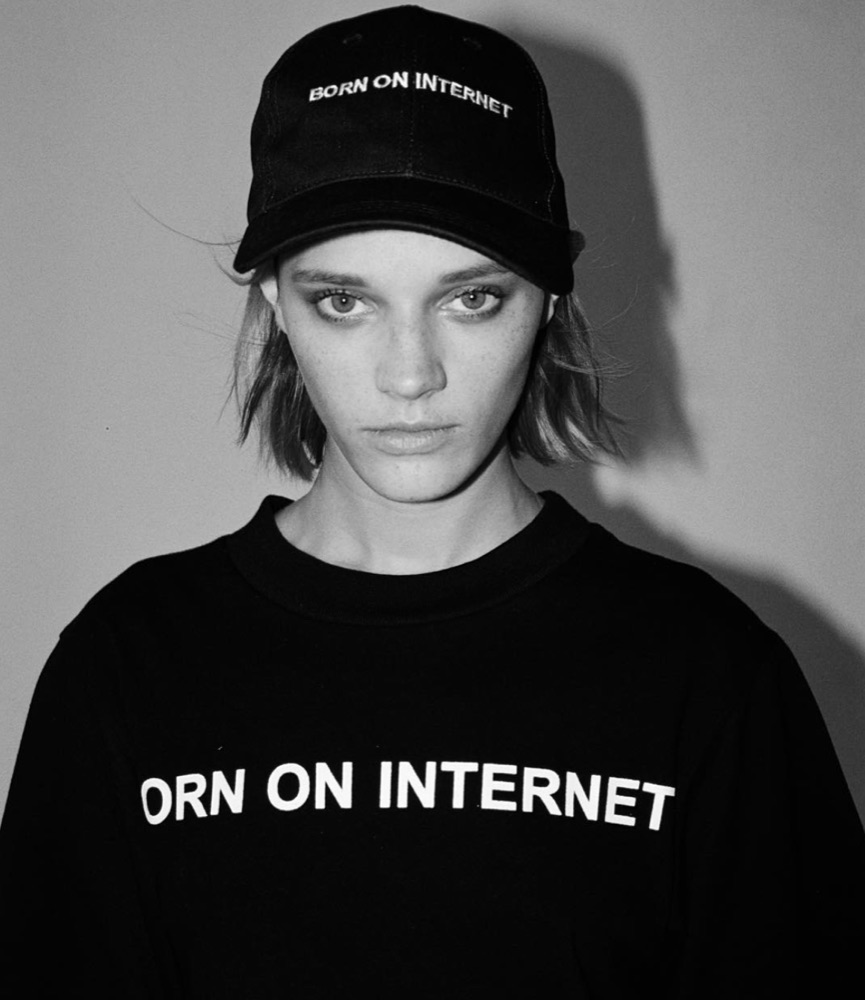
Section D is what it cost. The withheld work was kept perfectly and seen by almost nobody. The breadcrumbs were copied, compressed, re-posted and screenshotted, and they are the reason you know the name. The strategy worked. It simply worked on the material it was trying to protect from working.

[ D ] · The feed The afterlife of the images

[ D·0 ] · The withheld frame

Black-and-white studio portrait: model in a black cap embroidered BORN ON INTERNET and a black crewneck reading ORN ON INTERNET, the B falling outside the frame
Birth certificate

[ D·0 ] · What refused to leave

The lookbook never went to the platforms. That was the strategy and the strategy was correct [ C·5 ]. What no strategy anticipates is which half of it survives. The breadcrumbs outlasted the loaf.

The trail is the record now — not the studio's files but the pictures the feed elected to keep, and the feed elects the way feeds do: by what got touched. Front cameras. Mirrors. A food court. Two frames that got loose from the shoot and were never recovered.

Every frame here is second-generation. A screengrab is not a copy, it is a rubbing — you press one surface against another and take away the shape, never the thing, and what comes back is the pressure rather than the object.
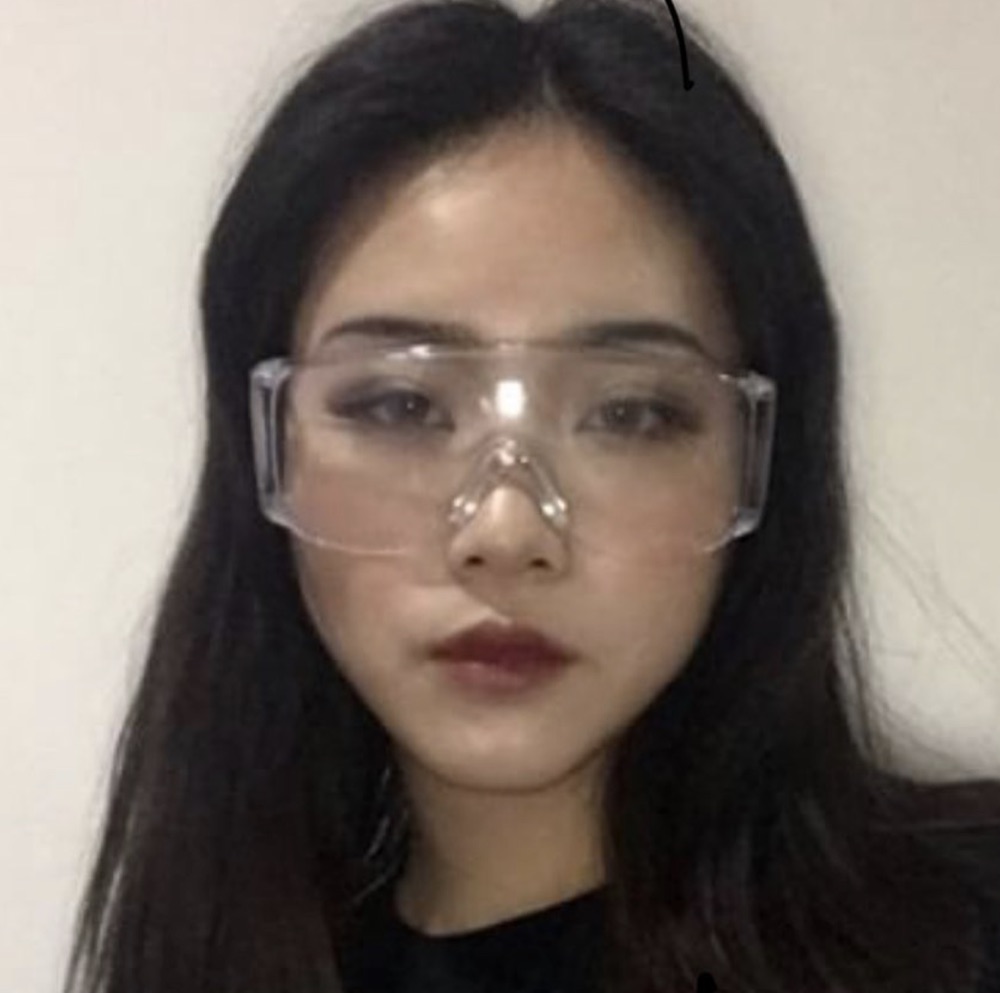
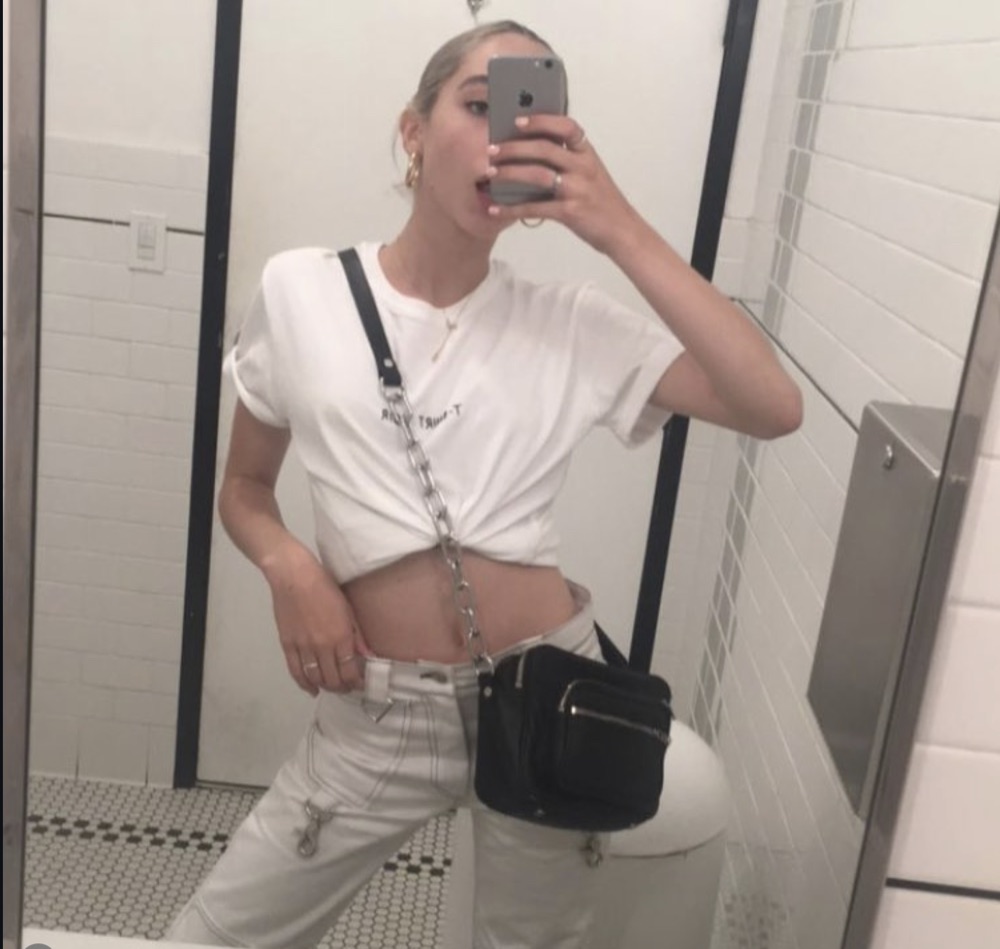
Compressed on upload. Compressed again on capture. Compression is not neutral and was never built to be: it is a working theory about what you were looking at, applied without asking, and it is wrong in a consistent direction, which is precisely how it becomes a date. Show anyone a particular quality of blur and they will name the year. One frame still carries the profile chip in its corner — a fingerprint left in the plaster by a conservator who had not yet understood that they were the artwork.

The campaign’s own position was that degradation is a language [ C·2 ]. From here that filter reads less like an effect than like a forecast. The studio built a machine to simulate its own decay, and then the platform performed the decay for free, permanently, unasked, and with better taste than the machine had.

So what follows is not the campaign. It is the campaign’s afterlife, hung in Warburg’s bad habit — by affinity and never by date, because the images have stopped agreeing among themselves about when they happened. Same 400 × 480 plate as the record above. Only the resolution moved, and it moved downward, which in this case is the direction of the truth.

15 frames, recovered from the platform and not from the archive. The platform kept the better records, having no reason to keep any
Every one a screengrab — the image of an image, and the only version that survived, which is what makes it the original
Compressed twice: once by the upload, once by the capture. Neither procedure asked permission and neither left a receipt
Sequenced by affinity, in the order C·5 described the funnel. The order they were taken in is lost, and would not help

[ D·1 ] · The front camera

Awareness. The mirror is the studio and nobody is being paid

Front-camera selfie: model in clear plastic safety goggles and dark lipstick against a bare wall
Protection, unprovoked
Public bathroom mirror selfie: knotted white tee, black harness strap, hanging chain, white carpenter jeans with hardware, black nylon crossbody bag
Studio, borrowed
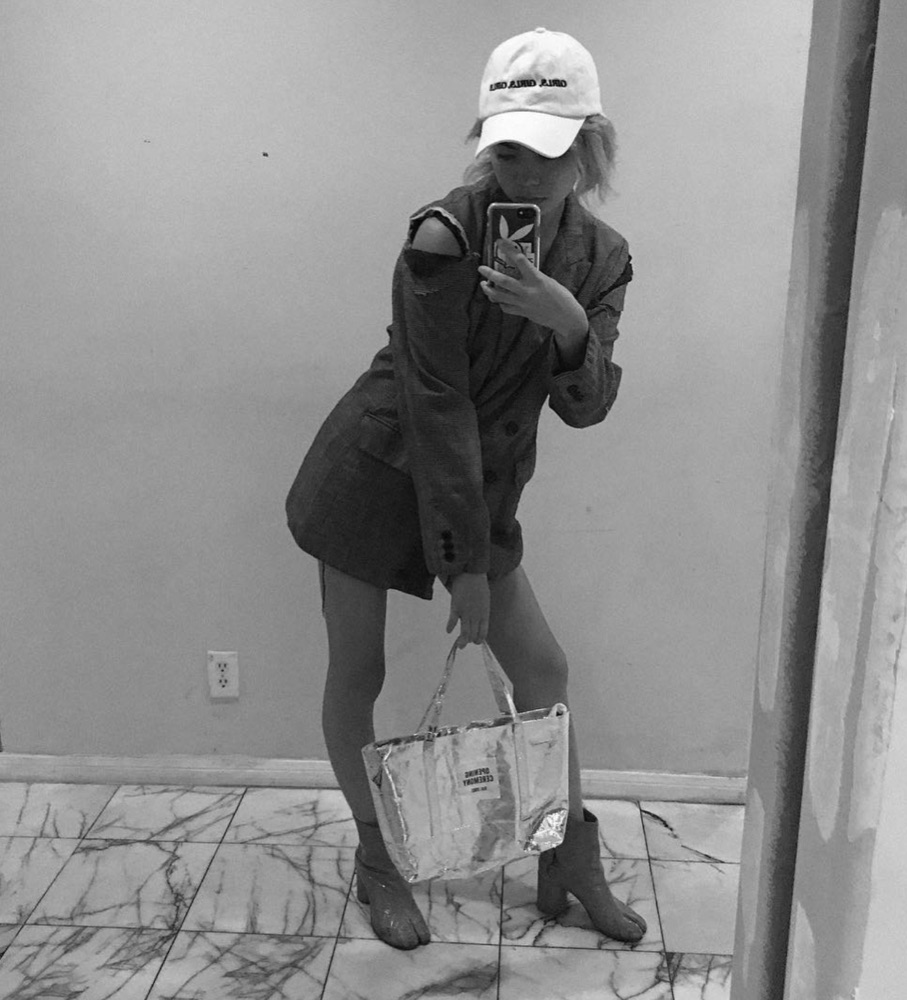
Black-and-white mirror selfie: cap with mirrored embroidery, deconstructed blazer dress with a cut-out shoulder, clear PVC tote and clear PVC boots on a marble floor
Transparency, twice

[ D·2 ] · Behind the glass

Consideration. Screen light, flash, and the first evidence of a room

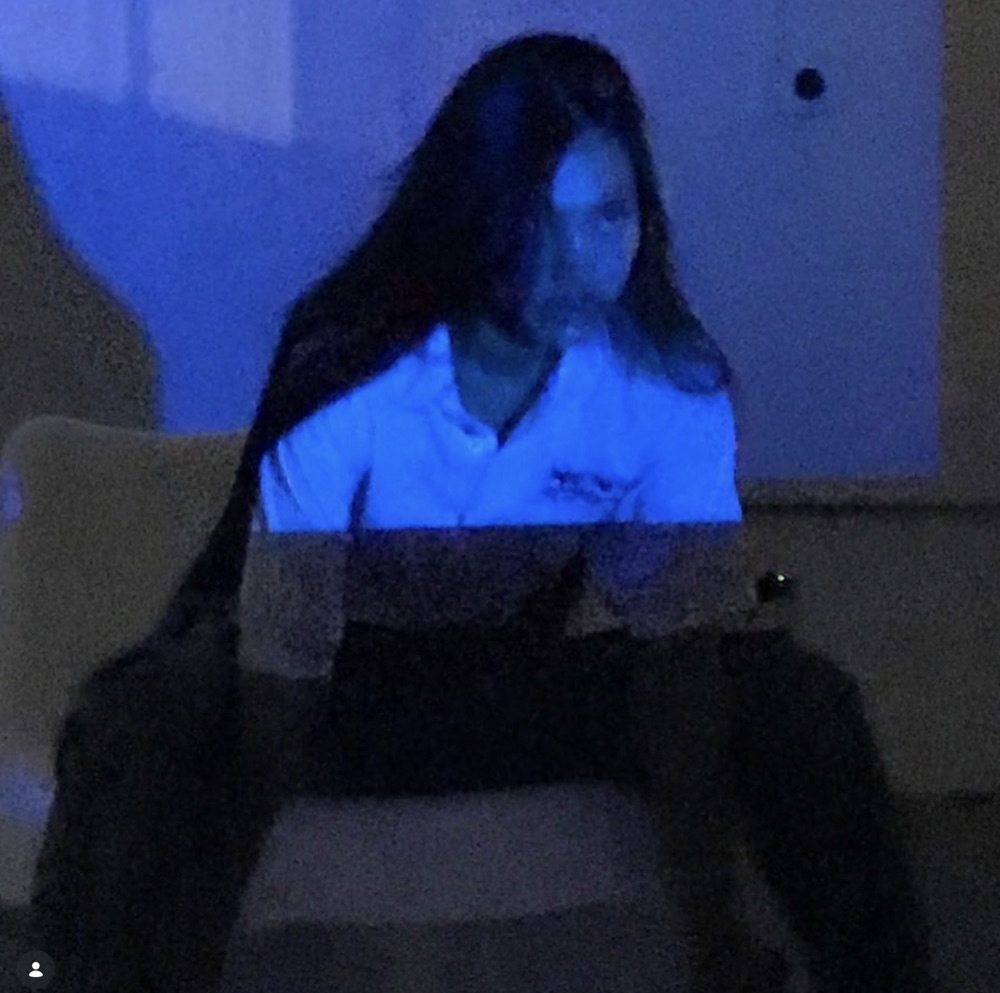
Model seated in blue projector light wearing a white logo polo; the projected image falls across her body and the wall behind, with an Instagram profile chip visible in the corner
Light, uninterrupted
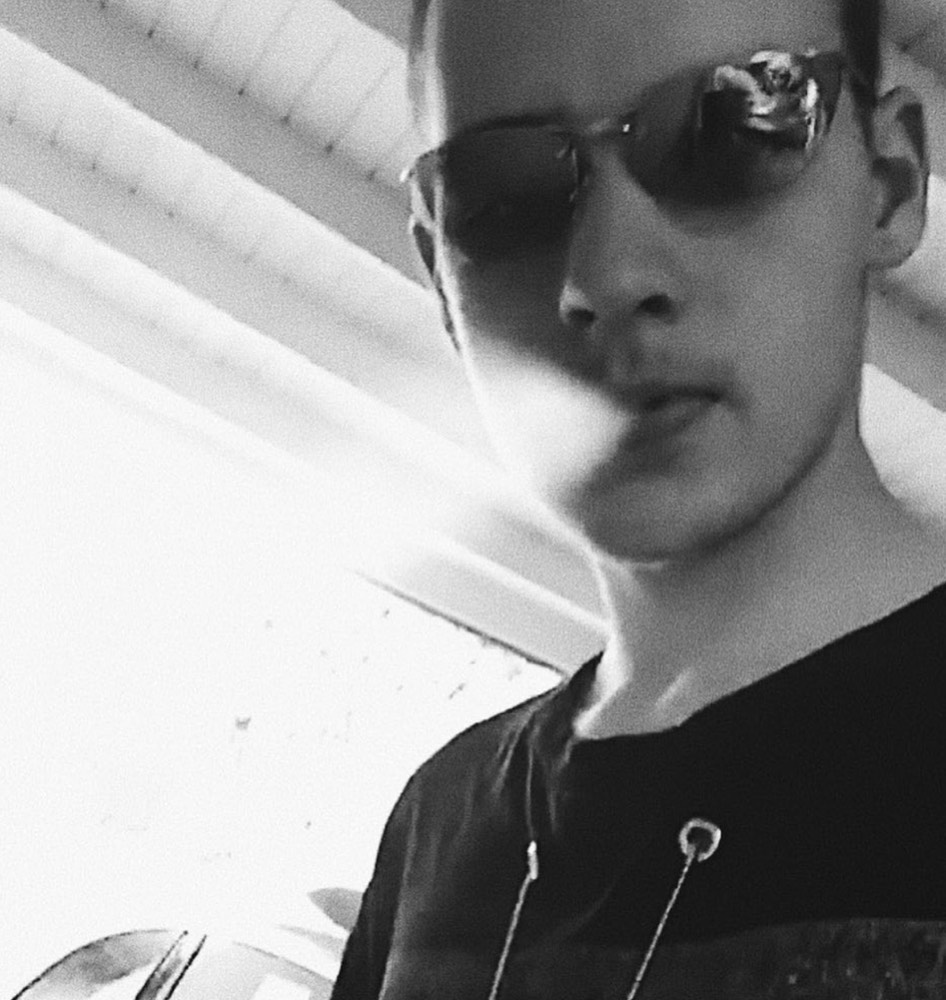
Black-and-white close selfie: young man in sunglasses and a black tee, safety pin and ring hardware on a chain, sunlight flaring across the lens
Hardware, promoted
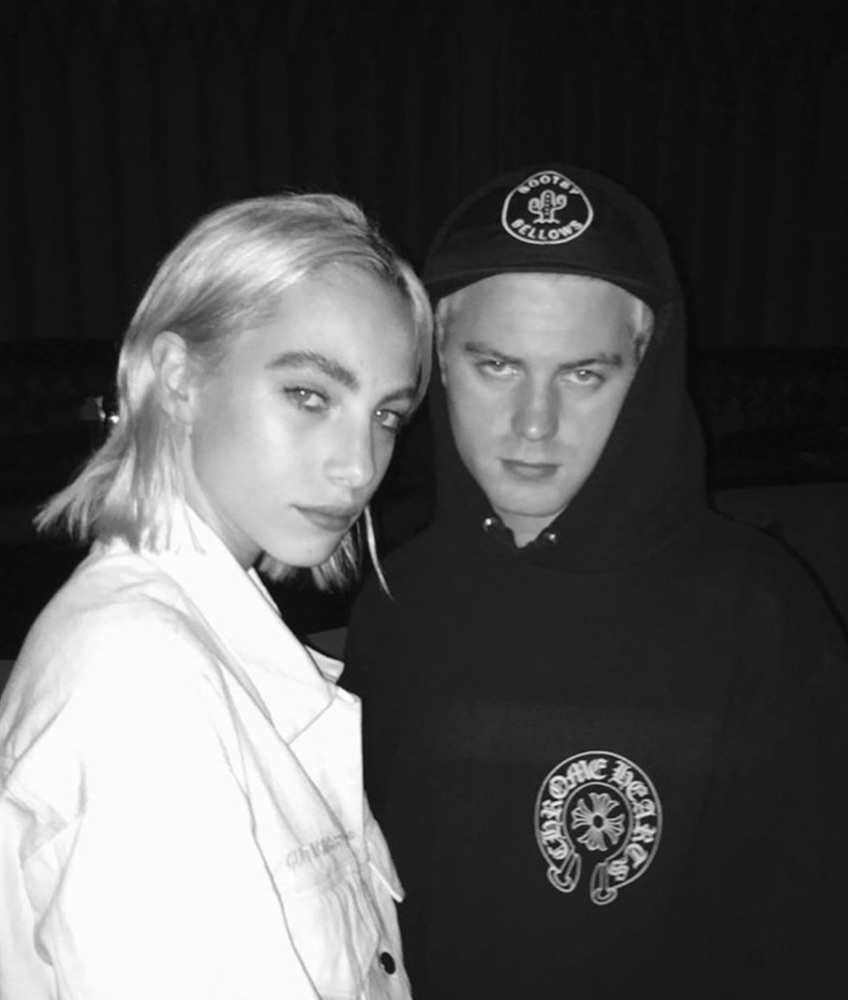
Black-and-white flash photograph at night: two people, one in a white jacket, one in a black hooded sweatshirt and cap
Peer review

[ D·3 ] · In the weather

Out in weather, where the picture stops being about the coat

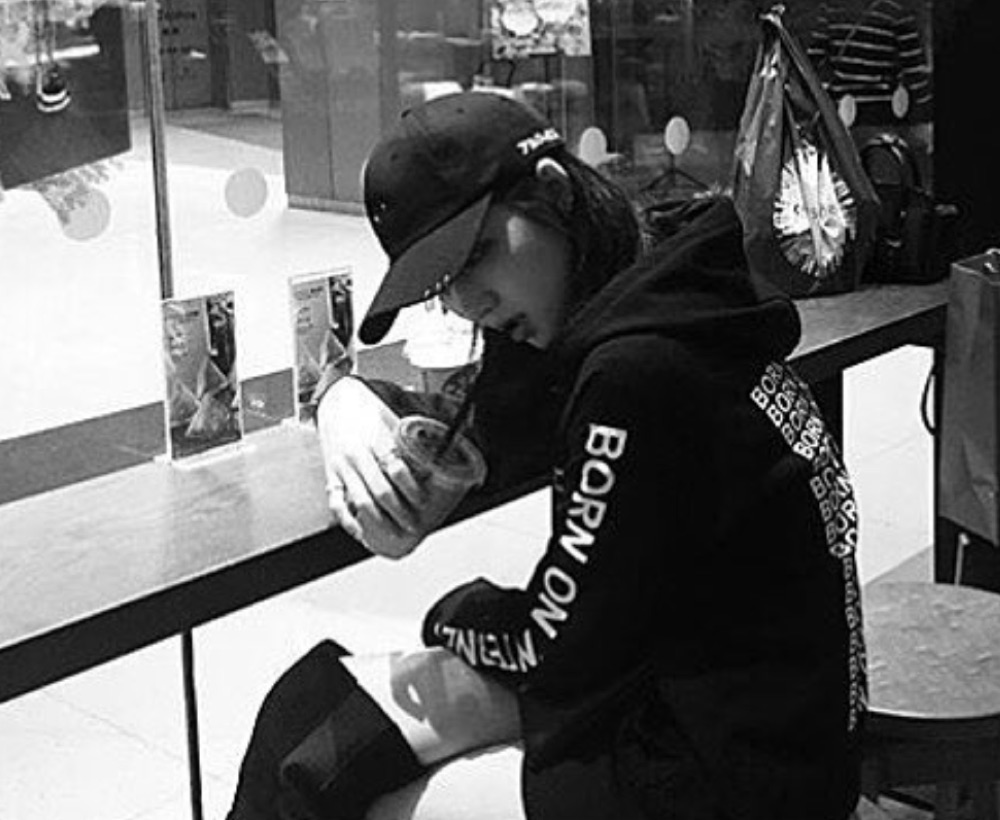
Black-and-white photograph: person at a mall food-court counter in a cap and a black hoodie printed BORN ON INTERNET down the sleeve, holding an iced drink
Native habitat
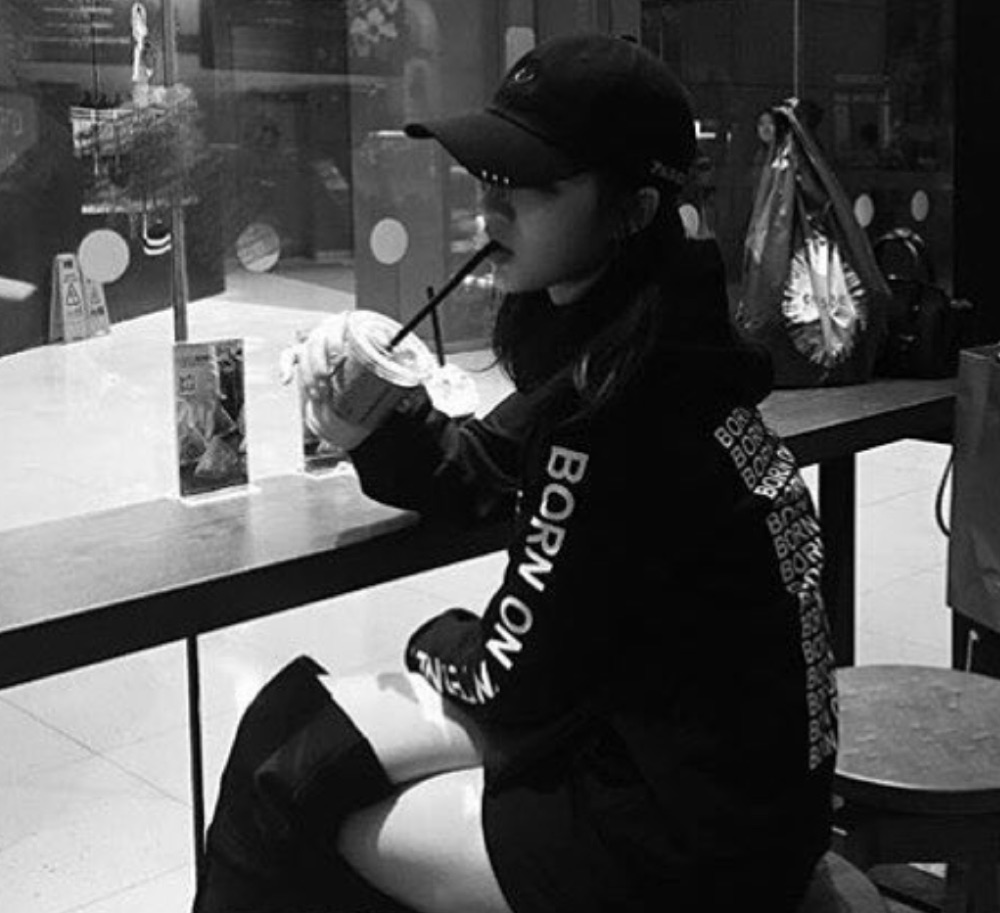
Black-and-white photograph: the same mall counter from a second angle, the drink raised, shopfront glass reflecting behind
Also published
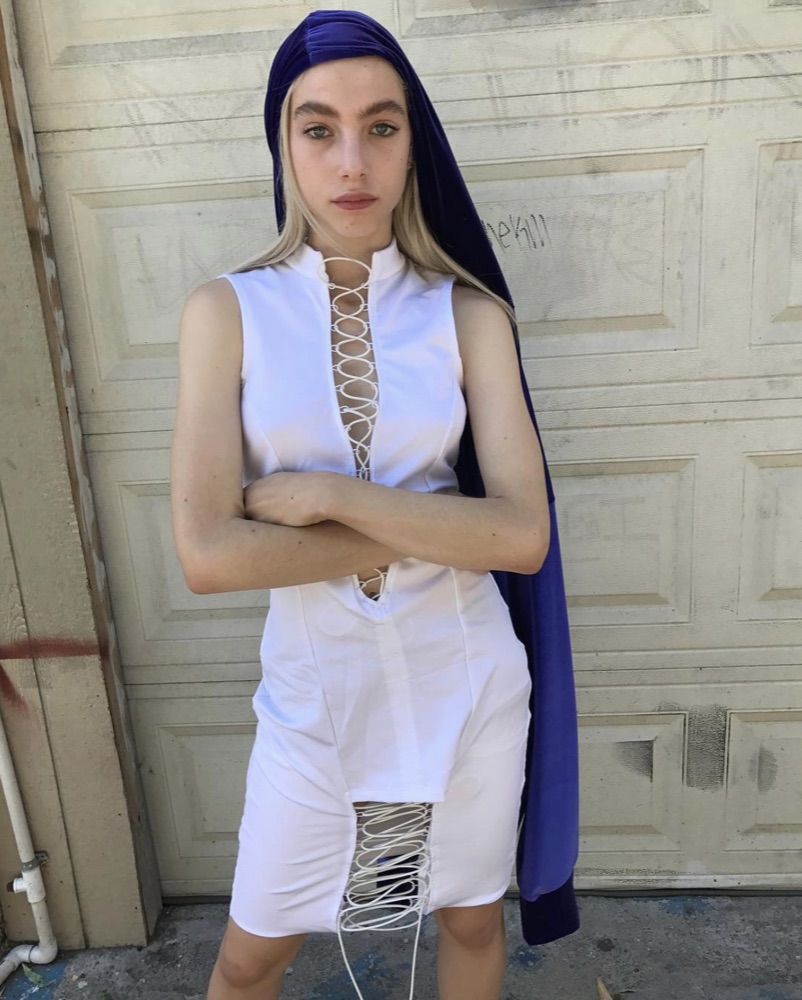
Model against a scratched white garage door wearing a white lace-up sleeveless top and lace-up shorts with a violet head drape
Corsetry, driveway

[ D·4 ] · The detail

Intent. The print, the pin, the torn hem

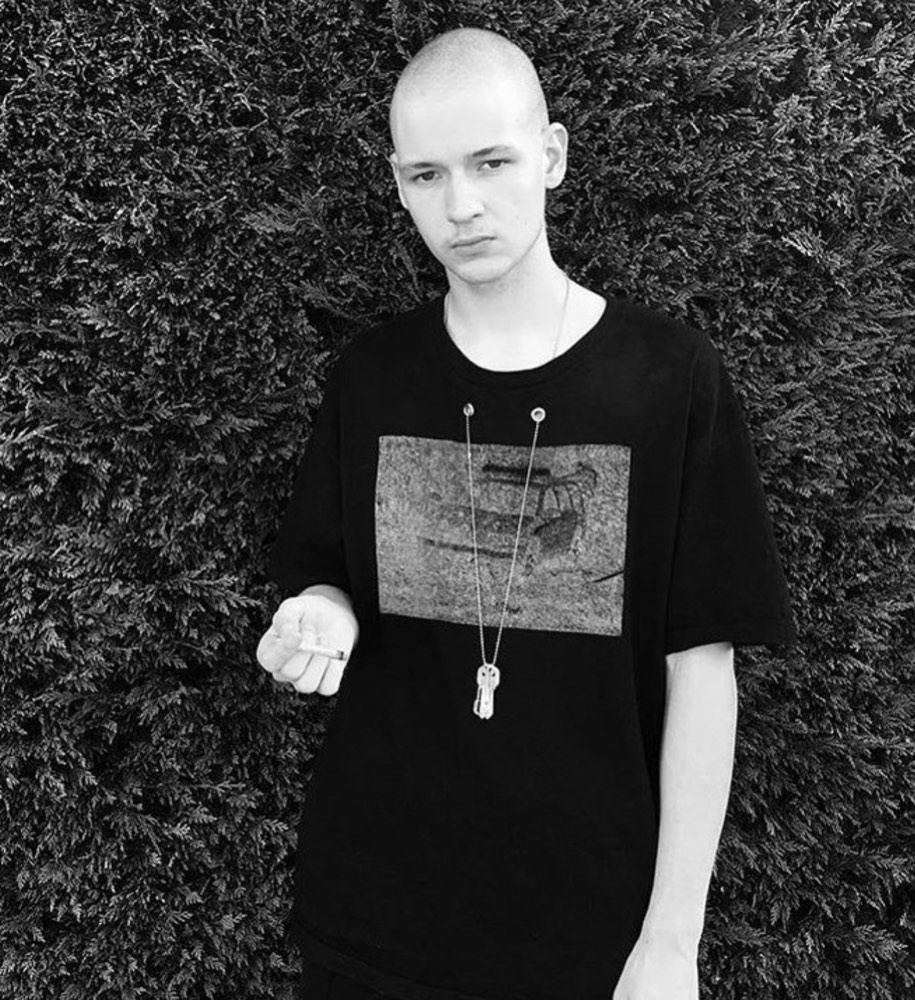
Black-and-white photograph against a dense conifer hedge: model in a black tee carrying a rectangular halftone photo print held at the shoulders by safety pins, a key pendant on a long chain
Specimen, pinned
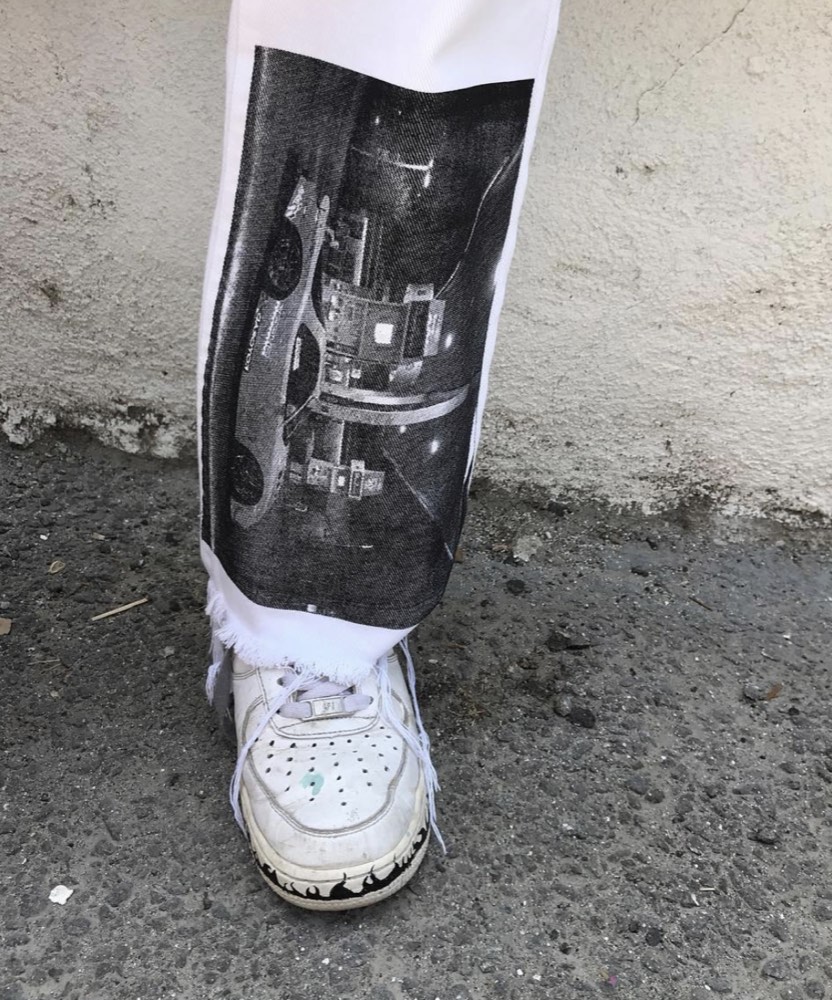
Detail photograph: white denim leg carrying a large grainy halftone photo panel, hem left raw and frayed above a worn white sneaker on cracked asphalt
Hem, unresolved
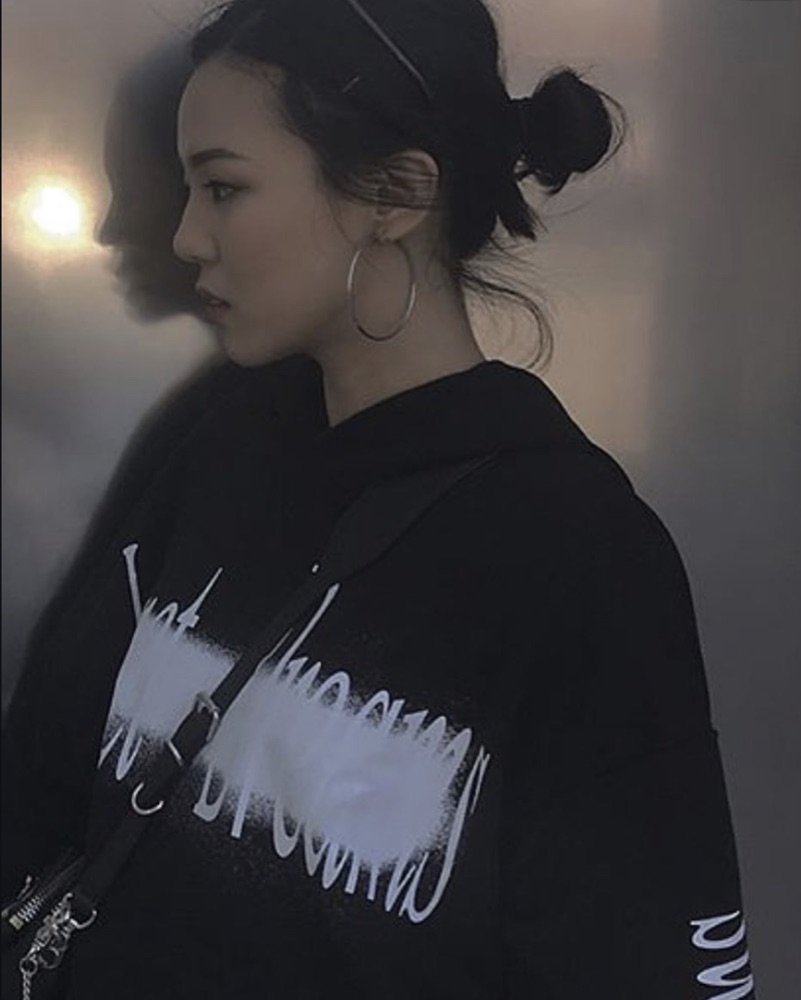
Black-and-white photograph in profile: model in a black hooded sweatshirt carrying a wide white sprayed script across the chest and sleeve, hoop earring, mist behind
Legibility declined

[ D·5 ] · What got out

Conversion, by accident. Two escapees became the only lookbook most people saw

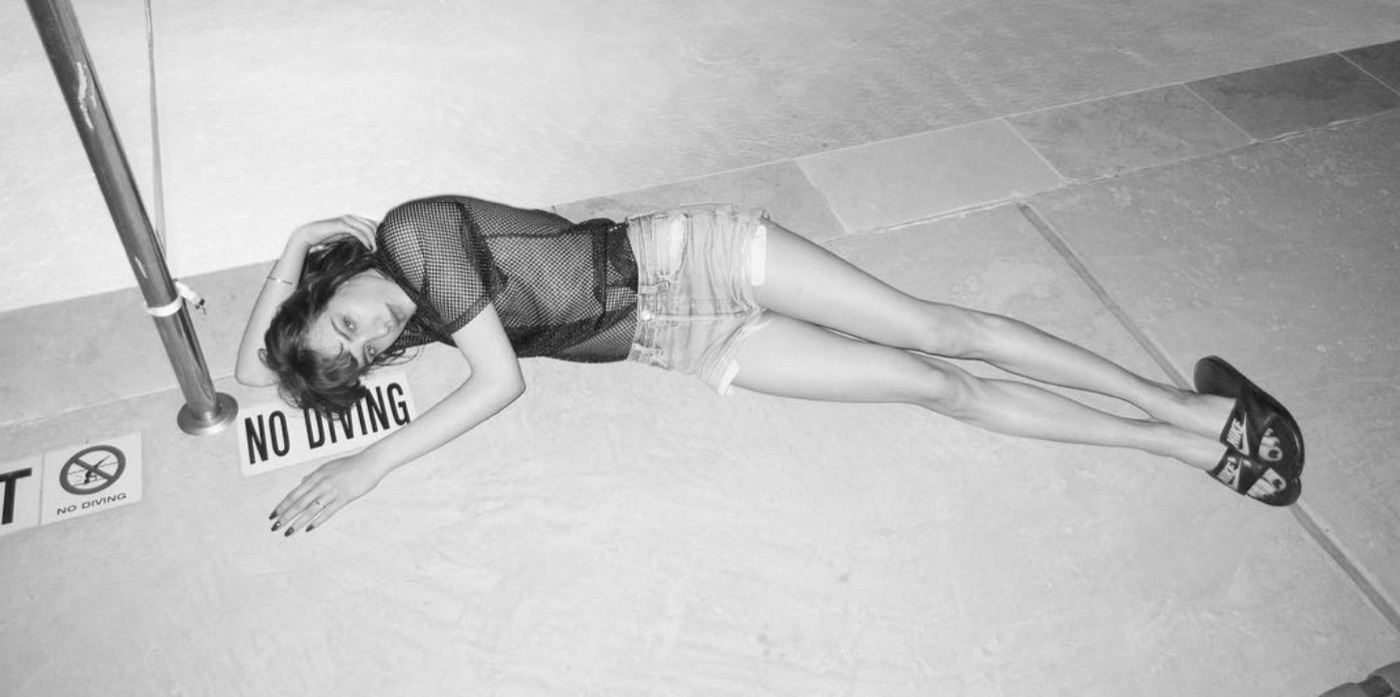
Black-and-white photograph: model lying along a pool deck beside a NO DIVING sign, in a mesh top, shorts and lettered slides
Art direction, unpaid
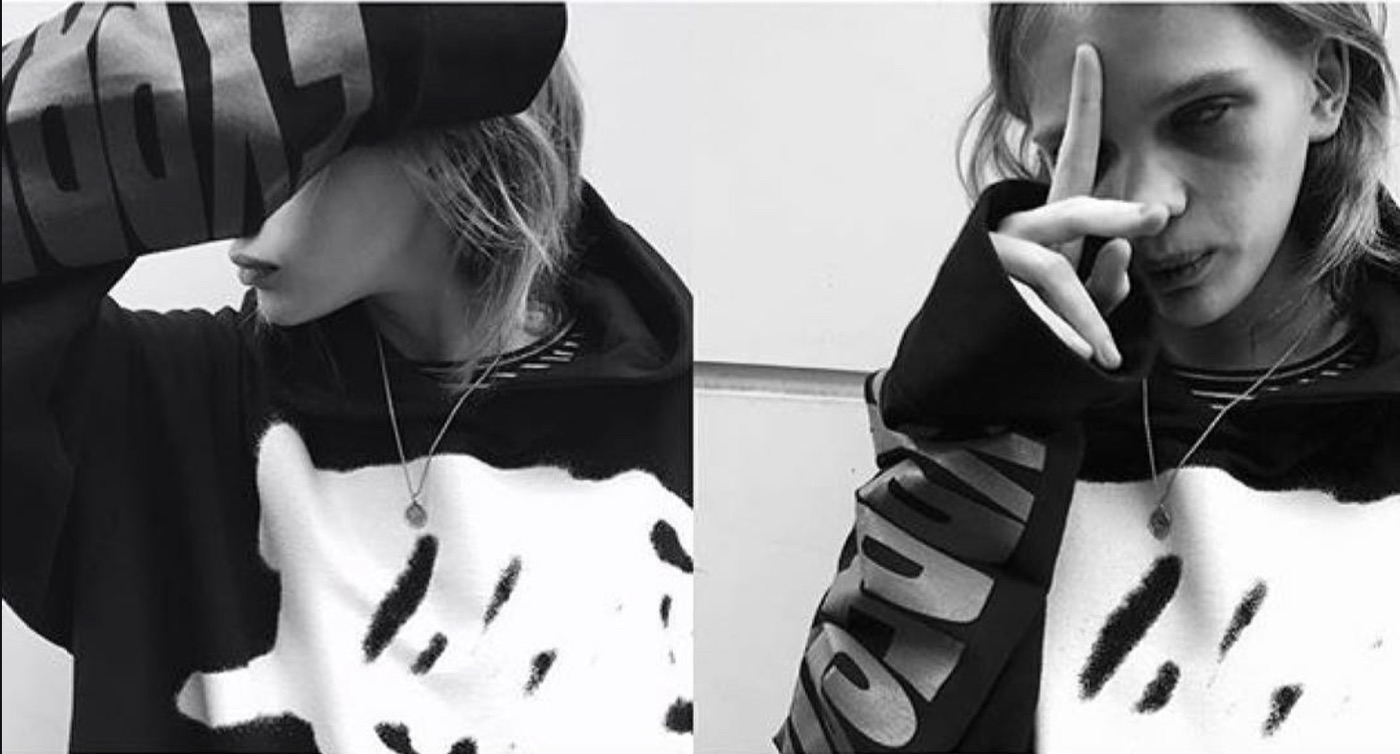
Black-and-white diptych: two frames of the same model in an oversized logo hoodie over a brush-marked white sweater, the second with a hand raised across the face
Before agreement